
Your car radio is a luxury, not a mechanical necessity. Not useful for driving, braking or directing traffic. But silence behind the wheel is rare. Most drivers need some background noise, whether it’s a podcast, a playlist, or the local news. The issue isn’t demand; it’s delivery.
Turn on the factory stereo. Listen carefully. Unless you purchased a top-tier trim with a premium package from brands like Bose, THX or Mark Levinson, the sound is likely to be mediocre. Top-of-the-line factory systems are exclusive to luxury models. Standard cars have the basics. These entry-level systems lack ultra-high fidelity. The bass sounds like a thump and the treble is top notch, but the overall impression is muddy. They emphasize one frequency and ignore others.
This is why car audio upgrades are so common. You can adjust the equalizer settings. You can improve the bass. The results will be marginal at best. Real improvements require hardware changes.
There are many ways to get better sound. You can swap the head unit. You can install aftermarket speakers. Sound dampening materials can be added to reduce road vibration. It is also possible to add a separate amplifier. All these options are added together. It also increases costs. Fortunately, you don’t have to do everything at once.
The problem is simple. How do you get the most out of your car audio equipment without wasting money on unnecessary features?
Car speakers
Factory speakers are the most obvious bottleneck. They are cheap to make. They are designed to fit into specific, often narrow spaces. The material is very thin. The structure of the magnet is weak. They distort easily when you turn up the volume.
Replacing them is the first step in a major upgrade. What you are looking for is not “Hi-Fi” in the traditional sense. You want clarity. Let’s say you want the vocals to be significantly higher than the instruments. The sound of the drum beat should be heard without distortion.
There are many different sizes of aftermarket speakers. You need to check the door panel. Standard sizes are usually 6.5 inches or 6×9 inches. Some car models have unique shapes. If it doesn’t match, you need an adapter. These are very cheap. They solve the physical problem without changing the structure of the car.
At this point, the material is more important than the brand. Look for polypropylene cones. They resist moisture and temperature changes. Paper cones sound warm, but they break down over time. Synthetic materials are safer in the long run.
Tweeters are also something to consider. Many factory systems route the high frequencies to the main speakers. This can cause distortion. Aftermarket packages often include a separate tweeter. Can be installed on the door card or dashboard. The result is a wider sound field. The sound seems to come from outside the car, not from the dashboard.
This is the foundation. fix the speakers before buying an amplifier or a new head unit. This is the highest impact … lowest cost upgrade.
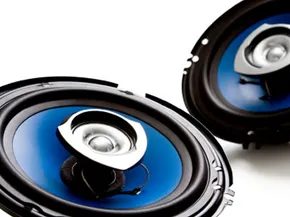

Factory speakers are often an afterthought. Manufacturers squeeze them into tight spaces and prioritize cost over acoustics. You can hear the sound, but it rarely fills the interior of the car clearly. The solution is usually simple. Just replace them.
Consider hardware differences. Standard units often rely on a single driver that tries to handle bass, midrange and treble simultaneously. This is a compromise. Aftermarket components separate these responsibilities. You get dedicated tweeters for high frequencies and woofers for low frequencies. The result is a different sound range instead of a muddy mix.
Deterioration of genuine speakers is inevitable. Paper cones are not durable. They warp from heat. UV rays bake the surrounds. Moisture can cause the glue to rot. Over time, the cone stiffens and tears, which killing fidelity.
Replacement cones are made of different materials. Kevlar offers stiffness. Rubber provides compliance. Polymer composites such as polypropylene can balance both. Mylar is another option. Durability does not necessarily mean excellent sound quality. Rubber cones generally provide strong and long-lasting performance. Foam or fabric units are cheaper options, but still perform better than outdated factory parts.
Costs vary widely. A decent set costs a few hundred dollars. A high-end audiophile system can eat into your savings. However, the price does not tell the quality. Just because it’s expensive doesn’t mean it’s good. This means a more complex design and often requires additional hardware to function properly.
Once you’ve installed your speakers, you’ll face a new enemy: noise. The roar of the road, the shear of the wind, the roar of the tires. These frequencies mask the music. It is difficult to understand the details of the amount paid.
Car Sound Deadening
You can’t change the engine, but you can change how the cabin responds to it.
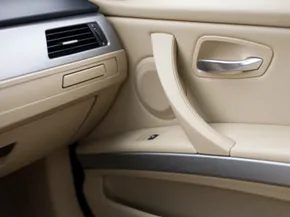
In most vehicles, the speakers are mounted in the front doors or behind the rear seats, usually upwards towards the rear window. This arrangement seems to work well on paper. In reality, it’s a recipe for acoustic muddiness. When the bass plays, it’s not just about staying inside the cone. Energy is transferred to door panels, frames and interior spaces. The whole car shakes. This mechanical vibration creates its own noise floor, masking subtle details and making the sound feel thin and distorted.
Add soundproofing material.
Products like Dynamat are designed to solve this problem. They are not magic. These are dense, cut-to-fit noise dampening materials. When properly applied to the inner surface of a door panel or floor, they add mass and damping. This material absorbs the vibrational energy that rattles the metal.
The result is a stronger and more stable base for your speakers. The cone can move freely without fighting against the flex of the door. The speakers do not work with a proprietary mounting structure, resulting in tighter bass and clearer mids.
In addition to speakers, these materials also deal with environmental issues. If you drive a compact car or an older sedan with thin metal doors and minimal factory insulation, highway speeds can turn the interior into a wind tunnel. The road noise is relentless. It forces you to crank the volume up just to hear the lyrics. Installing a suitable sound deadening layer can significantly reduce background hiss. You can enjoy music at a lower and healthier volume. The dynamic range expands. The experience changes from “hearing music over the road” to “listening to music”.
Hardware update
After adjusting the physical acoustics of your cabin, the next step is to upgrade the electronics. This is where the amplifier and receiver come into play. Although soundproofing cleans the environment, these components can direct signals more accurately and efficiently.
The next section looks at how amplifiers and head units can further enhance your listening experience.
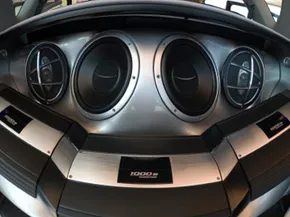
Why stock amps aren’t enough
Adding a new head unit is a solid first step. The improved equalizer control provides clearer radio reception and you can play MP3s or CDs. It feels like it has been updated. But if you really want to hear the difference in fidelity, a stock head unit alone isn’t enough.
A standard car stereo has a built-in amplifier. It’s there, but it’s small. Engineers had to squeeze it into a small space to save space for buttons and displays. This physical limitation means that the built-in amplifier cannot provide enough power for high-end custom systems.
When you add component speakers, tweeters, or subwoofers, the stock power supply can no longer handle the load. An external car audio amplifier is needed.
Choose the right hardware
An external amplifier takes the electrical signal from your stereo and enhances it. The speakers are more powerful. The result is cleaner, louder and more detailed sound throughout your system.
Prices vary widely. Basic units are available for around $80. High-performance models with multiple channels are available. Pricing is determined by two factors: power and number of channels.
How many channels do you really need? It depends on how many components you plan to run. A single-channel amp might handle a subwoofer alone. A four-channel amplifier drives the front and rear door speakers. Match the number of channels according to the speaker settings.
Tuning for clarity, not just volume
Buying equipment is only half the battle. The other side is tuning.
Even if your device is brand new, bad settings can lead to poor sound quality. The car’s audio equalizer should be set to match what you often listen to. If you listen to radio stations or classical music on the way to work, there is no point in turning up the bass to hip-hop levels. It just muffles the sound.
Most aftermarket stereos have preset equalizer profiles. Some are optimized for rock music, others for jazz and vocals. Choose the one that suits your type. Or if you are technically concerned, adjust it yourself. Start flat and adjust little by little.
Avoid distortions
There is one critical mistake to avoid. setting the amplifier’s gain control too high.
Just because the gain is great doesn’t mean the sound is good. It often means distortion. If the input signal is too strong for the amplifier, the waveform is clipped. This results in harsh and ugly audio artifacts. Keep the gain moderate. Let the head unit handle the initial signal strength and the amplifier handles the power.
Avoid overamplifying the bass and treble on radios. Instead, increase the overall volume slightly. Flat, balanced EQ profiles tend to sound best. Boosting the extremes will only strain the speakers and amplifiers.
The bottom line
Upgrading car stereos is about building a system rather than replacing parts. A new head unit adds convenience. Amplifiers increase power. Proper tuning adds clarity.
If you skip the amp, the output from the component speakers will be insufficient. If you skip the tuning, you’re using it wrong. Using both will give you the sound quality you pay for in the end.
All that’s left is to find the right balance for your car and your ears.