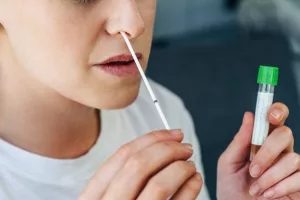
Corona rapid tests offer a quick way to detect infection even before symptoms appear. Since early March, approved self-test kits have been available in stores and online shops. However, fraudulent listings are flooding the internet. How can you spot the fake offers?
Why Self-Tests Matter Now
The ability to check your status without visiting a clinic has changed how we manage daily risks. These lateral flow assays detect viral proteins. A positive result means you are likely infectious. A negative result gives you some peace of mind, though it isn’t a guarantee. The convenience is undeniable. You get answers in minutes. No appointment needed.
But this convenience has a dark side. The internet is awash with cheap copies. Many are not tested for accuracy. Some don’t work at all. Others are just plastic waste. You need to know what to look for.
The Problem with Online Listings
Not all sellers are honest. Some list products that don’t exist. Others sell expired stock. A few might even sell counterfeit devices. These fake tests can give false negatives. That is dangerous. You might think you are safe when you are not.
How to Spot Fake Self-Tests
Look for specific signs. First, check the price. If it seems too good to be true, it probably is. Legitimate self-tests cost money to produce and regulate. Cheap prices often mean compromised quality.
Second, verify the seller. Buy from reputable pharmacies or known retailers. Avoid random websites with no contact information. Check for reviews. Look for recent ones. Fake reviews often sound generic.
Third, examine the packaging. Legitimate kits have clear labeling. They include instructions in your language. They list the manufacturer’s details. If the box looks cheap or has spelling errors, walk away.
What to Look For on the Box
The packaging should be intact. Tampered seals are a red flag. The test cassette itself should be sealed in plastic. Check the expiration date. Using an expired kit can lead to inaccurate results. The instructions should be clear. If they are missing or hard to read, the product is likely suspect.
Why Regulation Matters
In Europe, these tests must meet certain standards. They need to be CE marked. This mark shows the product complies with health and safety regulations. Without it, you are taking a gamble. The regulations ensure the test works as advertised. They protect you from scams.
The Risk of False Negatives
A false negative is worse than a false positive in some ways. With a false positive, you stay home. You isolate. You are safe. With a false negative, you might go to work. You might see family. You could spread the virus unknowingly. This is why accuracy matters. Cheap, unregulated tests lack that accuracy.
Where to Buy Safely
Stick to known channels. Local pharmacies are a safe bet. Large online retailers with verified seller programs are also good. Avoid social media marketplaces. These platforms have less oversight. Scammers thrive there. They use attractive photos and low prices to lure buyers. Once you pay, the product might never arrive. Or it might be a useless piece of plastic.
What If You Already Bought a Suspicious Kit?
Don’t use it. Return it if possible. If you can’t return it, dispose of it properly. Do not risk
Es ist eine einfache Sache. Du stehst in der Apotheke. Du kaufst einen Test. Du machst ihn zu Hause. Fünfzehn Minuten später weißt du, ob du infektiös bist. Das Ziel ist simpel. Verhindere die Ausbreitung. Trage nicht weiter. Die Wahrscheinlichkeit für falsche Ergebnisse ist höher als bei Labor-PCR-Tests. Ja. Aber ein positives Ergebnis ist ein Warnsignal. Es zwingt dich, in Quarantäne zu bleiben. Das schützt andere.
Doch der Markt für diese Corona-Selbsttests hat eine dunkle Seite. Die Nachfrage ist riesig. Die Verfügbarkeit soll in Deutschland bis zu 200 Millionen Stück betragen. Supermärkte. Drogerien. Online-Shops. Alles verkauft. Das ist der perfekte Nährboden für Cyberkriminelle.
Das Problem mit den Fake-Shops
Peter Mayer vom Karlsruher Institut für Technologie (KIT) warnt. Seine Forschung zeigt ein klares Muster. Kriminelle bauen Fake-Shops. Sie kopieren das Aussehen seriöser Händler. Sie nutzen Sicherheitslücken in Webseiten von Vereinen oder kleinen Unternehmen. Diese Betreiber bemerken es oft nicht. Die Betrüger hinterlegen eine Weiterleitung. Sie nutzen nur den Namen der legitimen Seite. Das erscheint in Suchergebnissen. Du glaubst, du bist auf einer vertrauenswürdigen Domain. Bist du nicht.
„Fake-Shops locken Kunden typischerweise mit besonders günstigen Angeboten zu gerade sehr begehrten Produkten.“ – Peter Mayer, KIT
In der ersten Pandemiewelle sah man das schon. Desinfektionsmittel. Schutzkleidung. Jetzt sind es die Selbsttests. Oder worse. Minderwertige Medizinprodukte. Pilze. Lutschpastillen. Gurgelwasser. Angeblich sollen sie vor Covid-19 schützen. Das ist Quatsch. In der Vergangenheit boten diese Seiten sogar Impfstoffe an. Die nicht freiverkäuflich sind. Niemand sollte das kaufen können.
Die Kriminellen nutzen Lieferschwierigkeiten als Taktik. Sie sagen, der Versand verzögere sich. Das hindert dich daran, die Überweisung zurückzuholen. Du wartest. Du bezahlst. Du bekommst nichts. Oder eine leere Verpackung.
Wie erkennt man unseriöse Shops?
Du musst nicht naiv sein. Mayer gibt konkrete Ratschläge. Der wichtigste Punkt. Keine Eile. Nimm dir Zeit. Untersuche den Shop.
1. Das Sortiment prüfen
Verkauft der Shop nur Schuhe? Und plötzlich auch Schnelltests? Das passt nicht zusammen. Wenn das Angebot völlig vom restlichen Sortiment abweicht. Misstrauisch sein. Seriöse Händler haben eine klare Kategorie.
2. Der Preis als Warnsignal
Was kostet ein Test? Normale Preise liegen bei 20 bis 25 Euro für fünf Stück. Das ist der Standard. Wenn der Preis nur die Hälfte beträgt. Alarmglocken läuten. Das ist zu gut, um wahr zu sein. Ein Schnäppchen ist hier oft ein Lockvogel.
3. Zahlungsmethoden
Welche Methoden bietet der Shop an? Nur Vorauskasse? Nur Kreditkarte? Das ist ein Risiko. Seriöse Shops bieten oft Käuferschutz oder andere sichere Zahlungsarten an. Wenn du Geld im Voraus schickst. Hast du keine Chance, es zurückzufordern.
4. Impressum und AGB
Ist ein Impressum vorhanden? Sind die Kontaktdaten erreichbar? Ruf an. Schreib eine Mail. Wenn es nicht funktioniert. Kauf nicht dort. Schau in die Allgemeinen Geschäftsbedingungen (AGB). Oft verraten sie den Firmensitz im Ausland. Vielleicht findest du eine Nummer im Handelsregister. Prüfe sie. Wenn die Daten nicht stimmen. Finger weg.
5. Die Suchmaschine nutzen
Gib den Shop-Namen in Google ein. Nicht den Link. Den Namen. Siehst du Forenbeiträge? Erfahrungsberichte? Menschen, die betrogen wurden? Dann weggucken. Es gibt keine Garantie. Keine Sicherheit.
Warum das wichtig ist
Diese Betrüger nutzen die Angst und die Not der Menschen aus. Sie wissen, dass du einen Test brauchst. Du weißt, dass du dich schützen willst. Das nutzen sie aus. Ein gefälschter Test ist keine Lösung. Er gibt dir falsche Sicherheit. Oder er kostet dich Geld und bringt dich keine Sekunde näher an die Wahrheit.
Die Selbsttests sind ein Werkzeug. Ein wichtiges. Aber der Weg dorthin ist vermint. Online-Shops sind leicht zu kopieren. Domains sind billig. Identität ist leicht zu stehlen. Du musst wachsam sein. Jedes Detail zählt. Der Preis. Die Adresse. Die AGB.
Es ist keine Wissenschaft. Es ist Gesundheit. Und Geld. Beides ist es wert, geschützt zu werden.

It doesn’t matter how professional an online store looks. Trustworthiness is often a mask. Take Schutz-Shopping24.de. It seemed legitimate. It advertised rapid Corona tests. The reality was different. The tests were fake. Buyers got nothing. Their money vanished. The company listed in the imprint was unknown. This is a classic pattern.
Don’t rely on the web design. You need hard proof of credibility. Look for Gütesiegel (quality seals). Trusted-Shops or the TÜV SÜD s@fer-shopping seal are good starts. But caution is required here. Experts warn that fraudsters can easily copy these logos. They can invent their own seals to simulate authority. A pretty logo does not mean a real product.
Check if the retailer is verified. You can contact your local consumer protection agency. They can investigate the merchant. For pharmacy-related items, check the Federal Institute for Drugs and Medical Devices. They maintain a registry of approved online pharmacies.
Verify the Test Itself
Even if the shop claims to sell approved tests, the seller might still be a fake operation. The risk is high. Stick to known entities for medical devices. If you do receive a package, inspect the box immediately.
Legitimate self-tests approved in Germany have specific markers. Look for the CE-Kennzeichnung. You must also see the four-digit identification number of the Prüfstelle (notifying body). These are printed on the packaging. Inside, there must be German-language instructions for use. If these are missing, the test is likely invalid.
The Federal Institute for Drugs and Medical Devices publishes a list of all approved lay tests. Use it. Compare the manufacturer names and test models against what the online shop is offering. If the names don’t match, walk away.
What to Do If You’re Scammed
If you’ve been cheated, act fast. Contact your bank immediately. Ask if you can reverse the payment. There is a strict time limit. Once that window closes, it’s much harder to get funds back.
Gather evidence. Save the contract. Keep the order confirmation. Print out all emails. These are your weapons. File a police report with this documentation. Police rarely catch these perpetrators. But filing a report helps. It can lead to the shutdown of the fake shop faster. This protects other users.
Warning others matters. Post in help forums about the scam. Alert the consumer protection center. It’s not just about your money. It’s about breaking the cycle.
The digital marketplace is full of ghosts. They look solid until you look closer. The burden of verification is on you. Check the seals. Check the CE mark. Check the list.
Why do people still fall for it? The urgency of needing a test. The ease of clicking “buy.” It’s a trap.
But the tools exist to stay safe. They are public records. They are printed on boxes. You just have to look.
The line between a real shop and a fake one is thin. It’s in the details. The four-digit number. The German text. The seal that doesn’t link anywhere.
Don’t ignore the small stuff. That’s where the truth lives.