


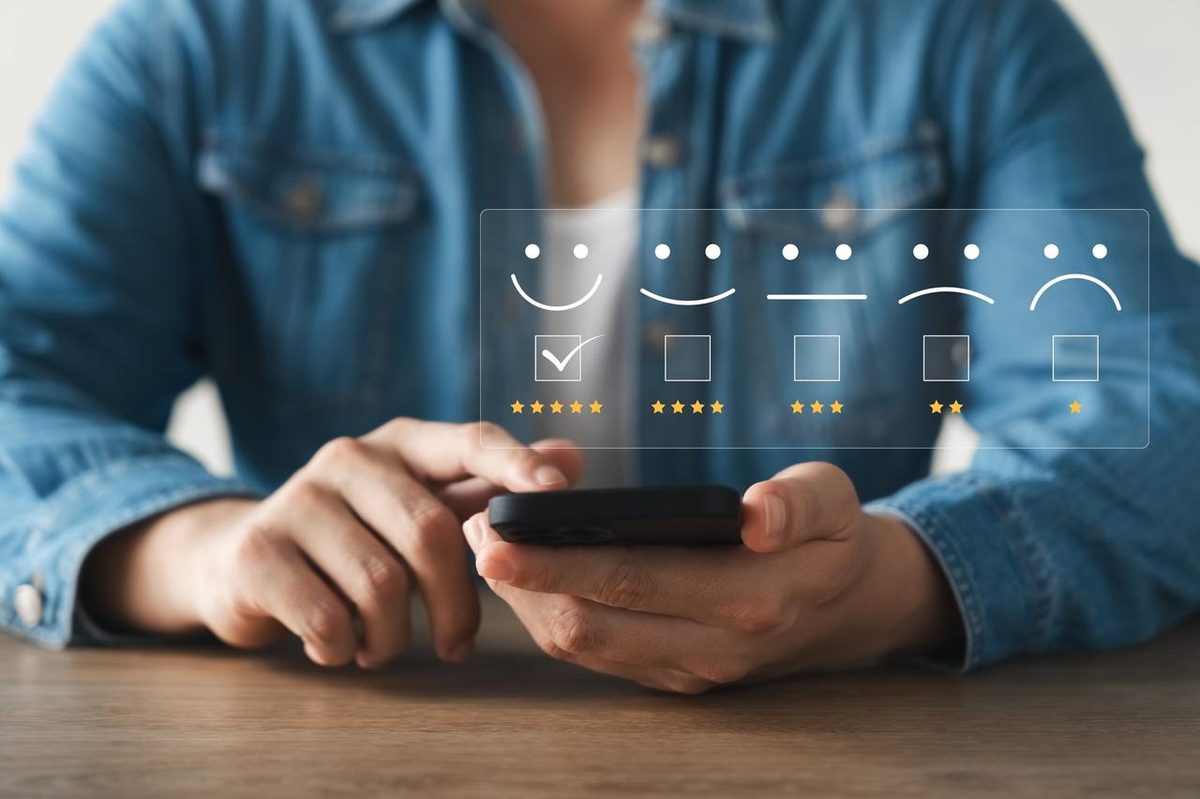
Emoticons are more than just a holdover from the early days of the Internet. It is the original universal language. Before HD video calls and advanced reaction buttons, there were two colons and a parenthesis. This small combination had a big impact. Add tone to your text.
We tend to think of emoticons and emoticons as boring. Keep it casual. But they play a huge role in digital interaction. These form a bridge between cold leads and warm human emotions. Without these, emails can look like commands. The sentence can be interpreted as an insult. Smiley changed that. This makes digital communication less about data processing and more about conversation.
Why was the smiley face created?
Think back to the beginning of the Internet. Newsgroup. IRC chat. Early email. The writing is clear. No italics. There is no sound modulation. Just black text on a white background.
If you write “Good job”, do you really mean it? Or are you being sarcastic? The reader has to guess. This ambiguity creates friction.
Smiley solves this problem. This is a visual shorthand. A way to express your thoughts without adding words. Turn boring communications into personal communications.
Emoticons are not designed as decoration. Built for clarity.
Beyond the basics
A regular :-) or :) only scratches the surface. This system is growing rapidly. The user starts adding elements. My eyes have changed. The curvature of the mouth is different. New symbols have appeared to represent different emotions.
pleasure. satire. sad. I was confused.
These small graphic letters summarize complex emotional states into a small package. Enables spontaneous written communication. These bring an informal feel to a solid platform.
General translator
The power of emoticons is that they are language independent. You don’t need to speak English to understand Grimace. You don’t need French to understand what Wink means. It transcends language barriers.
This universality turns emoticons into a visual language. It enriches online interactions by adding a layer of social nuance that text alone cannot convey. This makes the Internet more of a community than a database.
We still use these symbols. These are built into the keyboard. They are the first things we look for when we can’t get the word out. The origin story is simple. No effect at all.
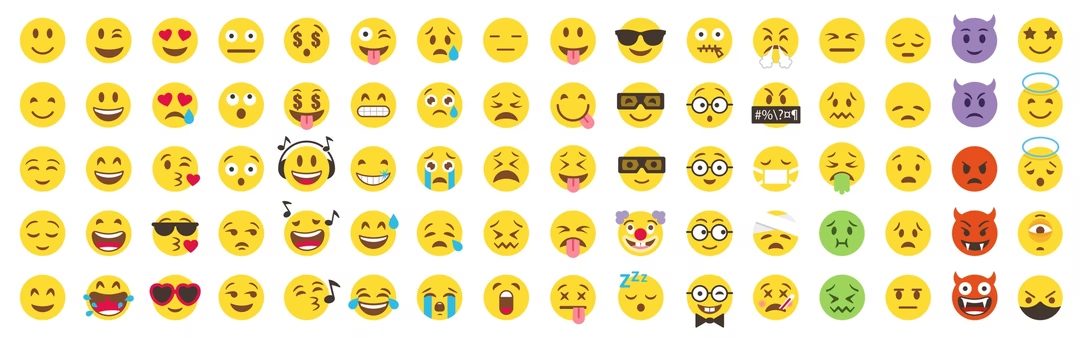

The smiley didn’t stay static. The basic yellow circle is just a starting point. It morphed. It grew limbs. It gained specific expressions. We went from simple emoticons like :) to the complex and colorful emoji ecosystem we know today.
These aren’t just pixels. They are miniature works of art.
Communication platforms and social networks add them more than just for decoration. They integrate them into the core of everyday digital language. The spectrum of expressive emotions expands explosively. You can now convey sarcasm, confusion, or references to a specific culture in a way that a smile cannot.
Global visual language
The effect extends beyond the screen. The smiley broke out of the virtual world. It has become a cultural object.
Look at the ads. Look at the street art. Look at professional brands. This symbol is everywhere. It works as a visual shorthand that transcends language barriers. You don’t need to speak French, Japanese or English to understand waving hands or hearts. It is instantaneous. Clear. Universal.
This evolution transforms simple graphics into tools for global connectivity. This way, anyone, regardless of native language, can convey feelings without saying a word.


