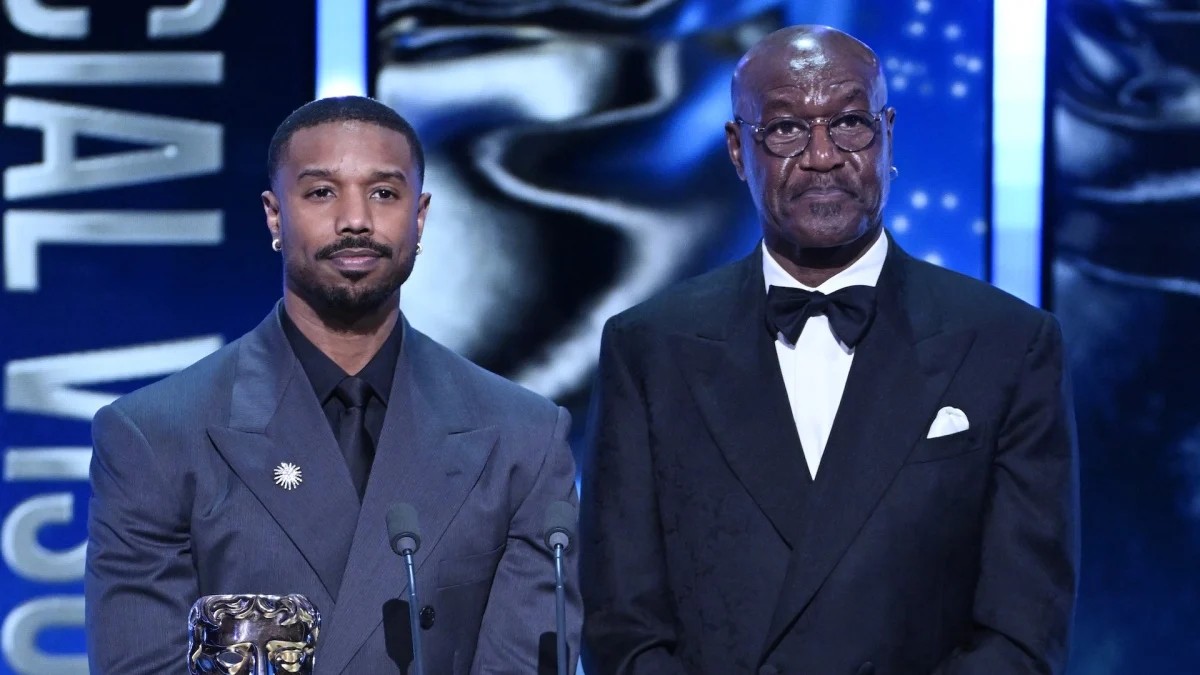
The 2024 British Academy Film Awards (BAFTAs) were overshadowed by a highly controversial moment: an attendee with Tourette syndrome involuntarily shouted a racial slur during the live broadcast. The incident has sparked debate over the BBC’s handling of the event, specifically its decision to air the slur despite a two-hour delay.
The outburst occurred as actors Michael B. Jordan and Delroy Lindo—both Black—presented an award. The slur was uttered by John Davidson, whose life story inspired the BAFTA-nominated film I Swear. Davidson, who lives with Tourette syndrome, has involuntary verbal tics, some of which can include offensive language. He has since released a statement expressing mortification if his tics were perceived as intentional.
The Incident and Fallout
According to witnesses, including production designer Hannah Beachler, the slur was repeated multiple times during the show. Host Alan Cumming briefly addressed the situation, explaining that Tourette syndrome is a disability causing uncontrollable tics. However, his attempt at an apology was criticized by many as insufficient.
Despite the delay, the BBC initially kept the slur in the broadcast and on its streaming service, BBC iPlayer, before ultimately removing the show entirely. The network later apologized, stating that the slurs were involuntary. Actor Robert Aramayo, who portrayed Davidson in I Swear, clarified that Tourette syndrome is a neurological condition—not intentional abuse.
Delroy Lindo stated that no one from BAFTA reached out to him after the incident, but he and Jordan continued with their presentation.
Understanding Tourette Syndrome
Tourette syndrome (TS) is a neurological disorder characterized by involuntary movements and vocalizations, known as tics. The National Institute of Health defines it as a condition affecting the developing nervous system. While coprolalia—the involuntary use of obscene language—is often associated with TS, it affects only approximately 10% of individuals with the condition.
The Tourette Association of America (TAA) notes that coprolalia may be underreported due to social stigma. While most attendees at the BAFTAs recognized the outburst as unintentional, some were frustrated with how the BBC handled the situation.
Why This Matters
The incident highlights the complexities of broadcasting live events when unpredictable factors—like involuntary medical conditions—intervene. The BBC’s decision to initially air the slur, even with a delay, raised questions about editorial standards and sensitivity.
The event also underscores the public misunderstanding of Tourette syndrome. The condition is often misrepresented in media, leading to misconceptions about its symptoms and impact.
Ultimately, the BAFTAs controversy serves as a stark reminder that even carefully planned broadcasts can be derailed by unforeseen circumstances, and that responsible handling requires both sensitivity and clear communication.