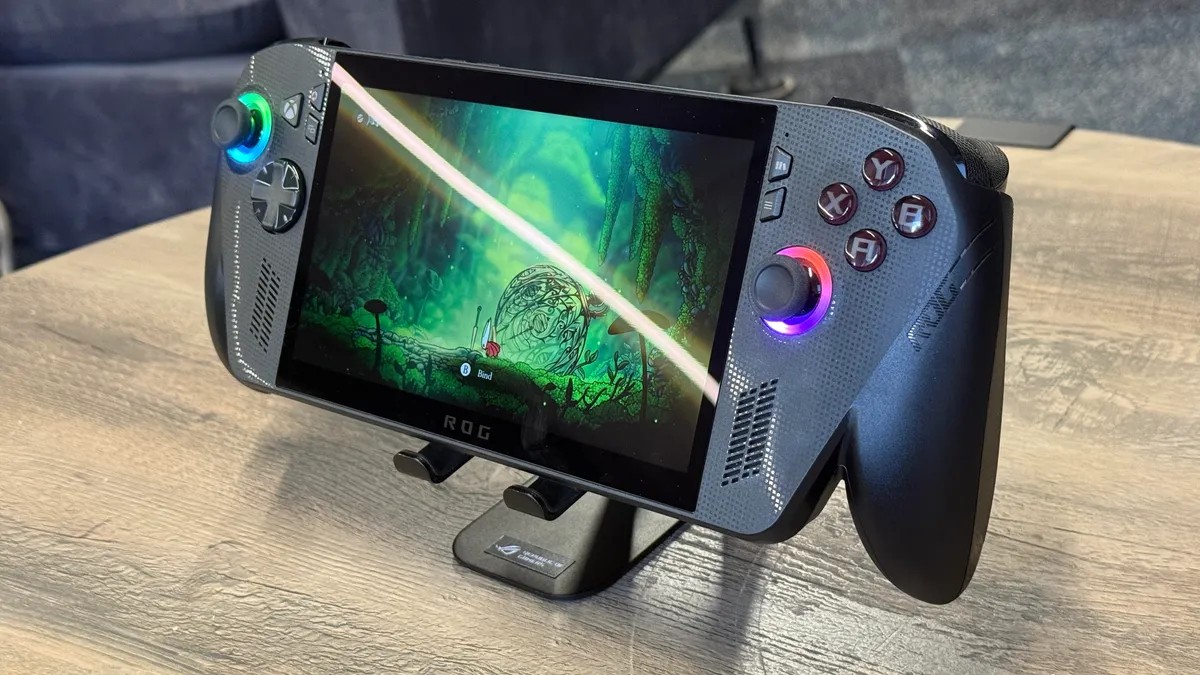
For years, the Steam Deck has been the handheld PC gaming device. It proved that a powerful, portable PC gaming experience was possible. But after two years, I’m ready to retire Valve’s machine in favor of the upcoming ROG Ally. The Ally isn’t just an upgrade; it addresses the Steam Deck’s shortcomings while doubling down on what makes PC gaming on the go appealing.
The decision isn’t about abandoning portable gaming—it’s about moving to a platform that’s more versatile, user-friendly, and better suited for modern gaming needs. Here’s why.
The Steam Deck is Showing Its Age
The Steam Deck was revolutionary when it launched in 2021, but technology moves fast. Its hardware is now almost three years old, and while still capable, it struggles with newer AAA titles. Indie games run smoothly, but if you want to play the latest releases at decent settings, you’re often forced to compromise on graphics quality.
The ROG Ally, by contrast, is built on more recent hardware. This means smoother performance in demanding games without the need for constant downgrading. The difference isn’t just about raw power: it’s about future-proofing.
Native Xbox Ecosystem Access
One of my biggest frustrations with the Steam Deck is its clunky Xbox integration. While workarounds like XBPlay exist, they’re far from seamless. The ROG Ally solves this by running Windows 11 natively. This means direct access to the Xbox app, allowing for easy installation and remote play of Xbox Anywhere titles. No more third-party apps or browser-based solutions: just plug in and play.
This is more than convenience; it’s about owning your games. Many titles are exclusive to the Xbox ecosystem, and the Ally makes them effortlessly accessible on the go. Cloud saves also work reliably.
Windows 11: The Ultimate Compatibility Layer
The Steam Deck’s Linux-based operating system can be a barrier for some gamers. While Proton allows many Windows games to run, compatibility isn’t guaranteed. The ROG Ally sidesteps this issue entirely by running Windows 11 out of the box.
This opens up access to all PC game launchers, including the Epic Games Store, GOG, and more. No more downloading separate launchers or worrying about updates breaking compatibility. The Ally offers a unified gaming experience without the friction.
A Noticeably Better Display
The Steam Deck’s 60Hz, 800p IPS LCD display isn’t bad, but it’s starting to feel dated. The ROG Ally features a 120Hz, full HD (1080p) display with 500 nits of brightness. The improvement is noticeable: sharper visuals, smoother motion, and better visibility in bright environments.
While not OLED, the Ally’s screen offers a significant upgrade over the Steam Deck’s display, making games more immersive and enjoyable. The difference is particularly apparent in fast-paced titles where responsiveness is key.
Ergonomics That Make Sense
The Steam Deck’s control scheme, with its dual touchpads, feels awkward after extended use. The design prioritizes versatility over comfort, resulting in a device that’s less natural to hold for long gaming sessions.
The ROG Ally’s ergonomics are more refined. It’s lighter, and the control layout feels more familiar to anyone accustomed to standard Xbox controllers. The analog sticks, shoulder buttons, and triggers are positioned intuitively, making the Ally comfortable for hours of gameplay.
The ROG Ally is a step forward in handheld gaming: a device that understands the needs of modern gamers, not just those willing to tinker.
The ROG Ally won’t be perfect. There will inevitably be bugs and growing pains. But it’s a clear evolution of the handheld PC gaming experience, and I’m excited to retire my Steam Deck after years of portable adventures.