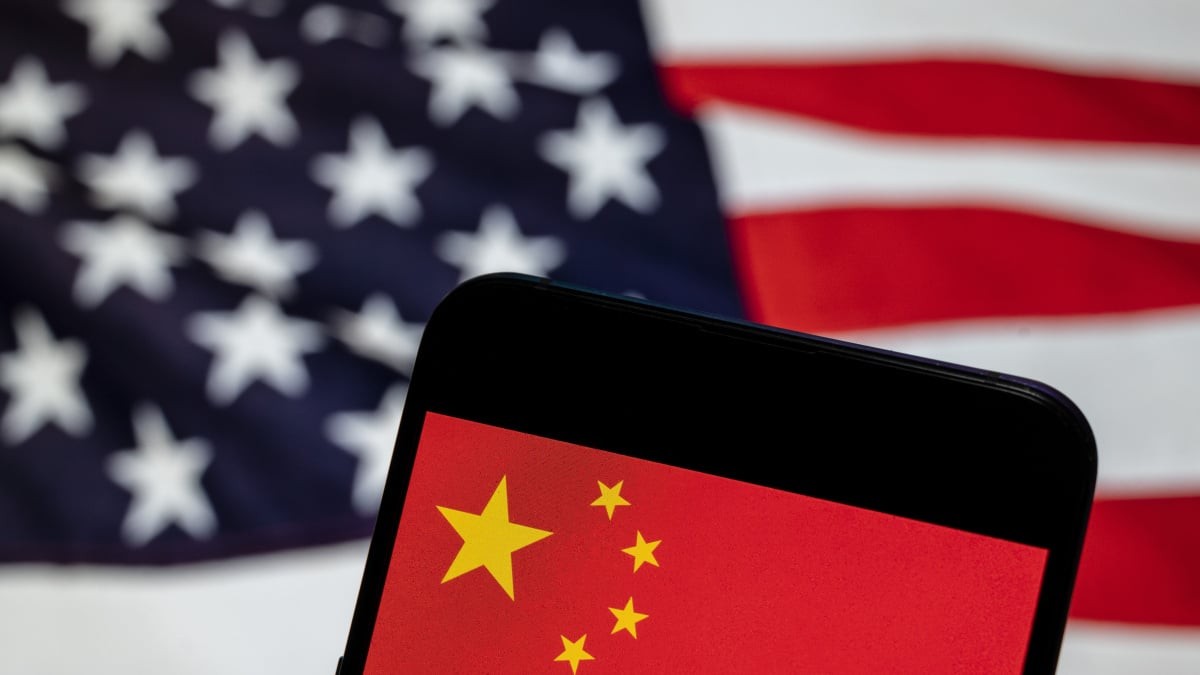
The Federal Bureau of Investigation (FBI) has issued a new Public Service Announcement (PSA) alerting American users to the potential security risks posed by mobile applications developed and maintained by foreign companies, with a specific emphasis on those based in China.
While the bureau did not explicitly name specific platforms in its warning, the timing and context suggest a focus on some of the most popular apps in the U.S. market, including ByteDance’s CapCut and Lemon8, as well as major e-commerce platforms like Temu and Shein.
The Legal Connection: Why Data Privacy is a National Security Issue
The core of the FBI’s concern lies not just in how apps collect data, but in the legal environment of the countries where they are headquartered. This distinction is crucial for understanding the broader geopolitical tension regarding technology.
Under China’s National Intelligence Law, specifically Articles 7 and 14, domestic companies are legally obligated to assist and cooperate with national intelligence efforts. This means:
– Companies must provide data to the Chinese government when requested.
– National intelligence agencies have the legal authority to demand “necessary support, assistance, and cooperation” from organizations.
Because many top-grossing apps operate within this legal framework, the FBI warns that the Chinese government could potentially access the personal data of American users stored on these platforms’ servers.
Common Data Vulnerabilities
The FBI highlighted that many users inadvertently grant apps excessive permissions. What often appears to be a convenience feature can serve as a massive data collection tool. Common examples include:
- Contact Lists: Apps often request access to contacts to “find friends,” which can expose names, phone numbers, email addresses, and physical addresses.
- Sensitive Content: Permissions granted for location tracking, photo access, and private messaging can provide a detailed digital map of a user’s life.
- Third-Party Stores: The bureau also warned against downloading apps from unofficial, third-party marketplaces—a risk particularly relevant to Android users —as these can be conduits for malware.
A Broader Pattern of Tech Regulation
This warning is part of a larger, ongoing effort by the U.S. government to mitigate perceived security threats from Chinese technology. This trend has been seen in several high-profile instances:
– The TikTok Mandate: The federal government’s push for ByteDance to divest TikTok to U.S. investors was driven by similar concerns regarding data sovereignty.
– Infrastructure and Hardware: Previous administration policies have targeted specific industries, such as drones (DJI) and networking routers, citing national security risks.
While companies like DJI have argued that these moves are intended to stifle market competition, the U.S. government maintains that the primary driver is the protection of domestic digital infrastructure.
How to Protect Your Digital Footprint
To mitigate these risks, the FBI recommends several proactive steps for both iOS and Android users:
- Audit Permissions: Disable data-sharing features and permissions that are not strictly necessary for an app to function.
- Practice Password Hygiene: Change passwords frequently to limit the impact of potential breaches.
- Stay Updated: Regularly install the latest operating system and security updates to patch vulnerabilities.
The FBI’s warning underscores a growing reality in the digital age: the convenience of globalized software often comes at the cost of heightened surveillance risks and complex legal obligations.
Summary: The FBI is alerting Americans that apps developed under Chinese law may be legally required to share user data with the state, urging citizens to tighten their privacy settings and remain cautious of the permissions they grant to foreign-owned platforms.