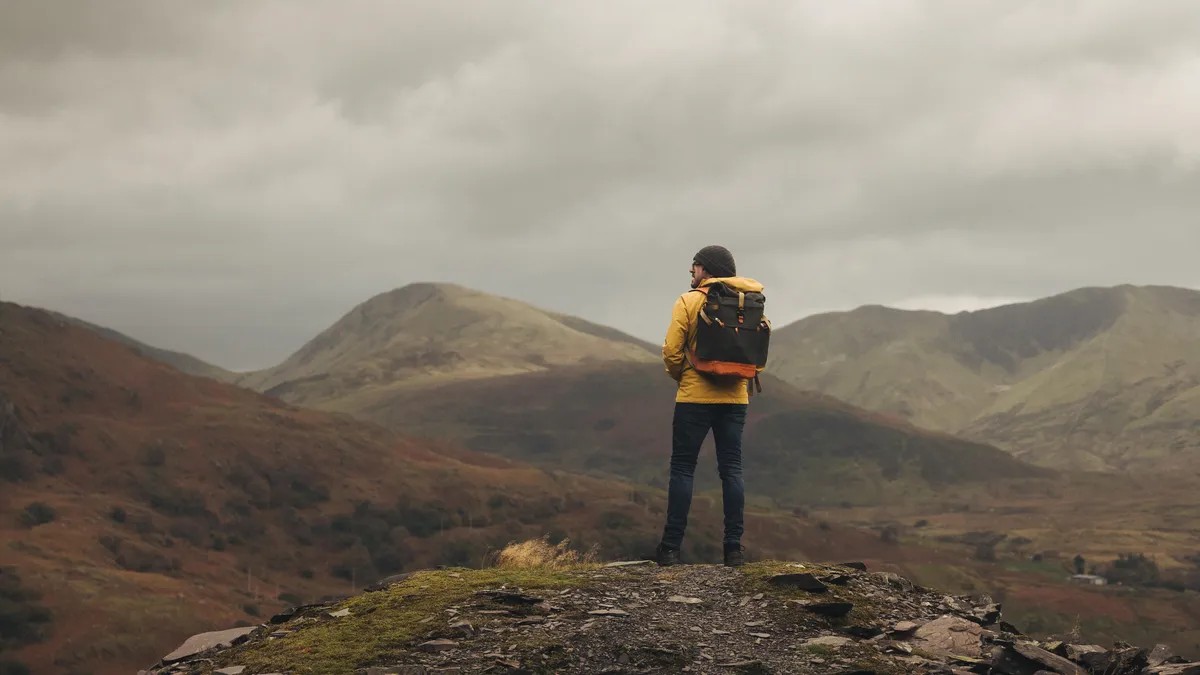
Whether you are embarking on a remote expedition or a casual weekend hike, travel presents a unique opportunity to capture high-quality imagery. While modern smartphones have closed the gap significantly, choosing the right dedicated gear can be the difference between a collection of “holiday snaps” and a portfolio of professional-grade art.
Drawing from over a decade of professional experience, this guide breaks down the essential components of a travel photography kit, focusing on the balance between image quality and portability.
📷 Choosing Your Primary Camera
The most important decision is selecting a system that matches your mobility needs. The era of the heavy, cumbersome DSLR has largely been replaced by mirrorless technology, which offers professional features in much smaller packages.
The Professional Choice: Mirrorless Systems
If you are looking to invest in a new system, mirrorless cameras provide the best balance of sensor size and portability.
– Full-Frame Power: Systems like the Canon R5 offer stunning image quality and advanced in-body image stabilization (IBIS), making them ideal for varied lighting conditions.
– Compact Alternatives: If weight is a primary concern, look toward Micro Four Thirds systems (such as the Fujifilm X-S10 ) or high-end fixed-lens cameras like the Leica X100VI.
– The Single-Lens Advantage: Using a fixed-focal-length camera, such as the Leica Q3 43, can act as a creative catalyst. By removing the ability to zoom, you are forced to focus on composition and movement, often resulting in more intentional photography.
The Mobile Option: High-End Smartphones
For many, a dedicated camera may not be necessary. Flagship phones like the iPhone 17 Pro or the Samsung Galaxy S26 Ultra now shoot in RAW formats, allowing for professional-level post-processing. Specialized devices like the Leica Leitzphone further push the boundaries of mobile sensor technology, though they come at a premium price.
🔍 Lens Strategy: Quality Over Quantity
The biggest mistake travelers make is overpacking lenses. A heavy bag leads to fatigue, which leads to missed shots. To maintain a professional standard without the bulk, consider this two-lens approach:
1. A Standard Zoom: A 24-70mm lens is the “gold standard” for travel, covering everything from wide landscapes to mid-range portraits.
2. A Compact Prime: A small, lightweight lens (such as a 50mm f/1.8 ) is perfect for low-light situations and keeps your setup light enough to carry all day.
🛠️ Essential Support and Protection
The Travel Tripod
A tripod is not a luxury; it is a necessity for capturing long exposures, such as silky waterfalls, starscapes, or nighttime cityscapes.
– Material Matters: Look for carbon fiber models. They are significantly lighter than aluminum, which is vital for long hikes.
– Portability: Choose a model designed specifically for travel (like the Peak Design Travel Tripod ) that can be easily strapped to a backpack.
The Adventure Backpack
Your gear is an investment; your bag is its insurance. A professional photography backpack should offer:
– Ergonomics: Always opt for a two-strap backpack over a messenger bag to distribute weight evenly across your shoulders.
– Accessibility: Look for side-access zips so you can grab your camera without unpacking your entire bag.
– Durability: Ensure the material is weather-resistant and includes dedicated compartments for batteries, lenses, and personal essentials.
🔋 The “Small Things” That Matter
Professional photography often fails due to logistical oversights rather than technical skill. To ensure you never miss a moment, pack these essentials:
- Power Management: Always carry multiple spare batteries. High-resolution sensors and video recording drain power quickly; a dead battery at sunset is a lost opportunity.
- Storage: High-resolution RAW files consume massive amounts of space. Carry several 64GB or 128GB SD cards to avoid running out of room mid-trip.
- Security: Use a high-quality, comfortable strap (such as Peak Design Slide ) to prevent accidental drops and provide peace of mind in crowded tourist areas.
- Creative Filters:
- Circular Polarizers: To deepen blue skies and reduce water reflections.
- Neutral Density (ND) Filters: To allow for long exposures in bright light.
- Mist Filters: To add a cinematic, soft-focus “filmic” aesthetic to your shots.
Summary: Successful travel photography relies on a strategic balance of high-quality optics, reliable power, and lightweight, ergonomic gear that encourages you to keep the camera in your hand rather than in your bag.