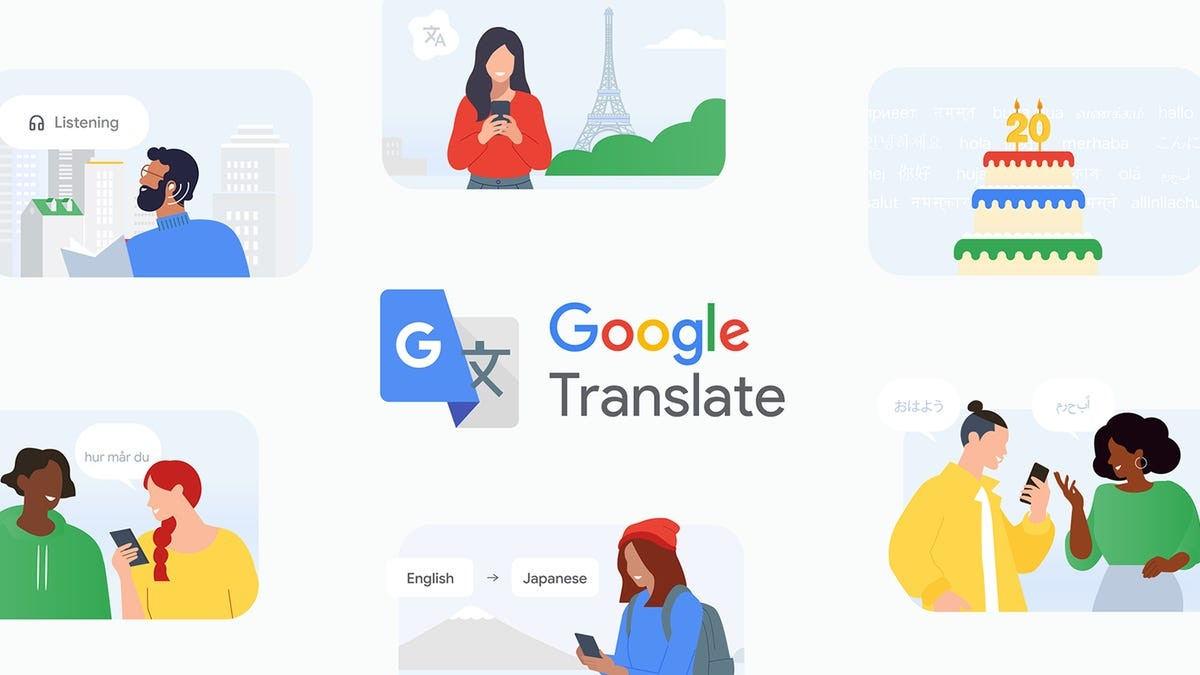
Language barriers have long been one of the most significant obstacles to global connection. For two decades, Google Translate has worked to dismantle those barriers, evolving from a simple text-based web tool into a sophisticated, multi-modal platform used by over 1 billion people monthly.
To mark its 20th anniversary, Google is introducing a new AI-driven pronunciation feature for Android users, signaling a shift from passive translation to active language learning. This update reflects a broader trend in tech: moving beyond simple utility to providing contextual, educational support that helps users not just understand foreign languages, but speak them with confidence.
A New Era of Speaking Practice
The latest update introduces a pronunciation practice feature exclusively for Android devices. Unlike previous iterations that focused primarily on written or spoken input conversion, this tool actively evaluates a user’s speech.
When users engage with the feature, they are prompted to repeat phrases. The system then provides real-time feedback, scoring their pronunciation and offering specific tips on:
* Sound accuracy
* Stress patterns
* Articulation
This functionality builds upon Google’s existing “ask” and “understand” features, which provide deeper context for language learning. By using AI to assess conversational skills, Google aims to help users bridge the gap between reading a translation and speaking it naturally. The feature is currently available in the US and India, supporting English, Spanish, and Hindi.
Beyond Text: How the Platform Has Evolved
Google Translate’s growth over the last 20 years mirrors the evolution of mobile technology itself. What began as a browser-based utility has become an integral part of the Google ecosystem, supporting nearly 250 languages and covering an estimated 95% of the world’s population.
Key advancements that have redefined how people interact with foreign languages include:
- Offline Accessibility: Users can download language packs to translate text and speech without an internet connection, a critical feature for travelers in remote areas or those facing connectivity issues.
- Visual Translation via Google Lens: By pointing a camera at menus, signs, or plaques, users can see translated text overlaid directly on the image in real-time. This capability has transformed how tourists and business travelers navigate unfamiliar environments.
- Live Conversation Mode: Leveraging Google Gemini models, the “Live” feature translates real-time conversations through headphones. Recent data suggests this tool is used for substantive interactions, with one-third of live sessions lasting longer than five minutes. This indicates a shift from quick, transactional translations to sustained, meaningful dialogue.
Understanding User Behavior and Trends
The data behind Google Translate reveals fascinating insights into global communication habits. While the platform handles trillions of translated words each month across Search, Lens, and the Translate app, certain patterns emerge:
- Top Language Pairs: The most common translation route remains English to Spanish. Other high-volume pairs include English to Indonesian, Portuguese, Arabic, and Turkish.
- Content of Communication: The most frequently translated phrases revolve around universal human experiences: gratitude, connection, and love. This suggests that while technology facilitates the translation, the core intent remains deeply personal.
- Cultural Nuance: The AI now supports slang, idioms, and cultural phrases, and has begun integrating emoji and sign language interpretations. This expansion acknowledges that language is not just about vocabulary, but about cultural context and non-verbal communication.
Why This Matters
The introduction of the pronunciation tool is more than a minor feature update; it represents a strategic pivot toward language acquisition. By helping users improve their spoken skills, Google Translate is transitioning from a tool for overcoming language barriers to a platform for engaging with new languages.
As AI models become more sophisticated, the line between translation and education continues to blur. For the billions of users who rely on this service, the goal is no longer just to understand what someone else is saying, but to participate more fully in a global conversation.
Conclusion: Google Translate’s 20th anniversary highlights a journey from basic text conversion to immersive, AI-powered language interaction. With new tools for pronunciation and live conversation, the platform is empowering users to move beyond passive understanding toward active, confident communication across cultures.