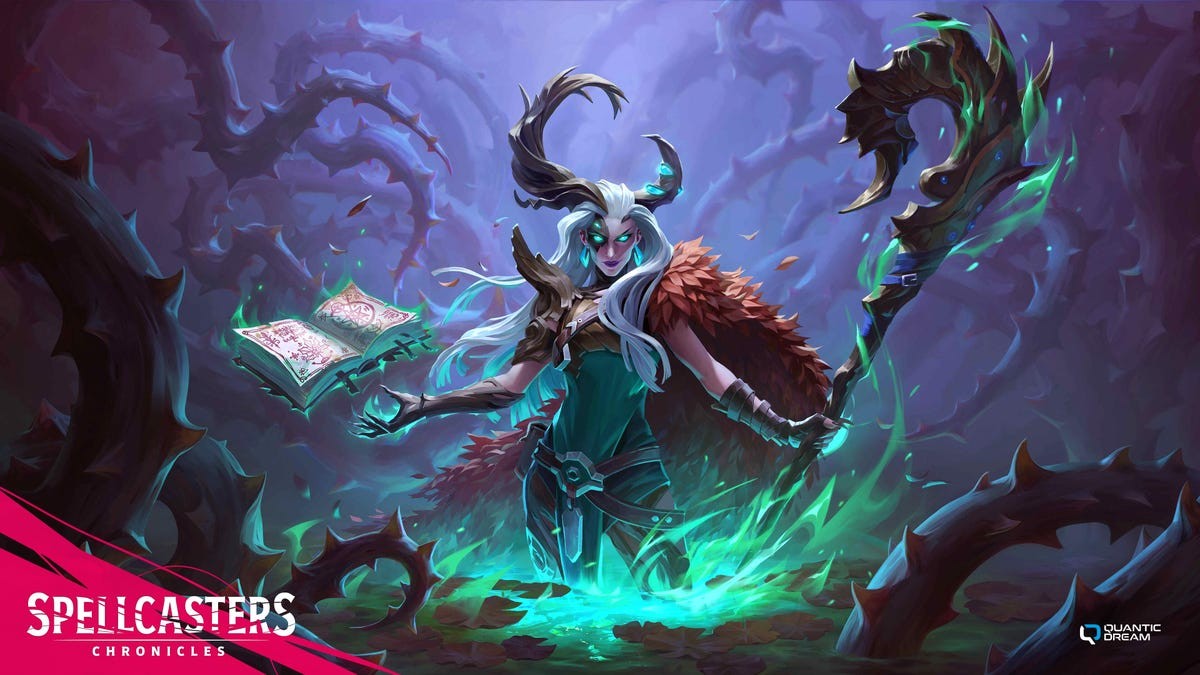
Quantic Dream, known for narrative-driven titles like Detroit: Become Human, is venturing into new territory with Spellcasters Chronicles – a competitive three-versus-three action-strategy game. A closed beta is scheduled for December 4–7, offering an early look at gameplay. This shift represents a notable move for the studio, which historically focused on single-player experiences. The game combines elements of MOBAs (Multiplayer Online Battle Arenas) with a unique storytelling component, and early testing reveals both promising features and areas ripe for refinement.
Core Gameplay Loop: Strategy Takes Center Stage
Spellcasters Chronicles follows the familiar MOBA structure: teams push through three lanes, supporting waves of AI-controlled minions to destroy enemy “lifestones.” Players choose from distinct classes with specialized abilities, creating strategic team compositions. However, the initial playtest suggests the game currently leans too heavily into strategic decision-making, overshadowing individual skill-based plays.
The dominant factor in early matches was high-level tactical choices – like summoning a powerful “titan” unit to dominate the map – rather than precise execution of abilities or well-timed attacks. While strategic depth is valuable, the game risks feeling less rewarding for players who excel at moment-to-moment combat. The deckbuilding aspect, where players select ability cards, reinforces this trend. The ideal balance would likely involve a stronger emphasis on action-based skill, encouraging players to feel impactful through individual plays.
Action Elements Need Sharpening
Despite its action-strategy label, the current state of combat feels underdeveloped. Landing hits on enemy spellcasters proved frustratingly difficult, with slow projectile speeds and small hitboxes making precision shots unreliable. This disconnect between class roles and actual combat effectiveness is a concern; the “swamp witch,” positioned as a duelist, felt underpowered in one-on-one engagements.
Another friction point lies in manual minion summoning. While giving players strategic control over lane pressure, the process feels tedious. The need to pause rotations to summon units can disrupt flow, particularly for builds heavily reliant on minions. Streamlining this mechanic or offering alternative summoning methods could improve pacing.
Visual Clarity: A Double-Edged Sword
The game’s vibrant art style is visually appealing, but the sheer amount of particle effects and large-scale abilities creates visual clutter. With multiple casters barraging a titan in front of a glowing lifestone, it becomes challenging to track what’s happening. The design prioritizes impact, with massive titans dominating the battlefield, but this comes at the expense of readability. Balancing spectacle with clarity is crucial for competitive play.
What’s Next?
Spellcasters Chronicles presents an intriguing twist on the MOBA formula, particularly in its 25-minute match length (which avoids overly drawn-out games). The thrill of summoning and deploying colossal titans is a standout strength. However, Quantic Dream must prioritize refining action elements and reducing visual noise. If the developers can strike a better balance between strategy and execution, Spellcasters Chronicles has the potential to carve out a unique niche in the competitive gaming landscape.