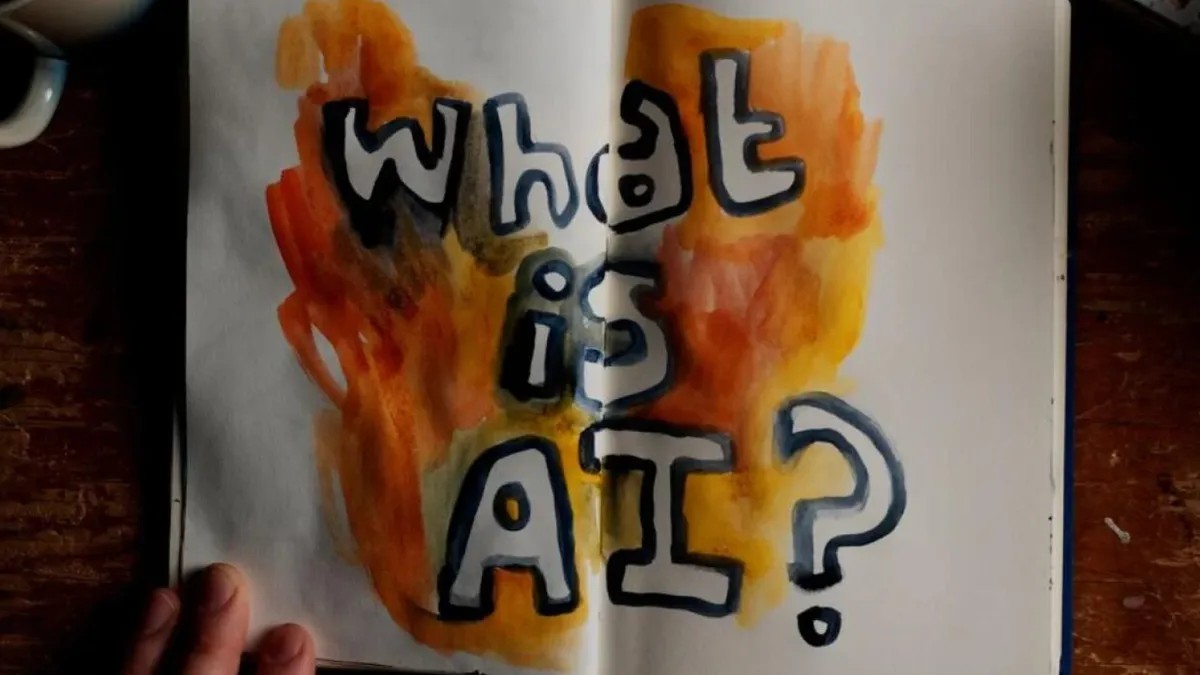
The new documentary The AI Doc: Or How I Became an Apocaloptimist, released today, doesn’t shy away from the core question of our era: will artificial intelligence save or destroy us? Directed by Daniel Roher and Charlie Tyrell, the film dives deep into the extreme polarization surrounding AI, offering a raw look at both the boundless optimism and crippling fear that define the conversation.
The filmmakers, both new fathers during production, approached the subject not as distant observers, but as deeply invested stakeholders in humanity’s future. This personal angle frames the film, grounding high-level debates in the very real stakes of raising children in a world rapidly reshaped by technology. The documentary features interviews with leading figures like OpenAI CEO Sam Altman and AI safety expert Dan Hendrycks, providing a comprehensive, if unsettling, view of the field.
The Filmmakers’ Journey: From Personal to Global
Charlie Tyrell spoke this week about the film’s unconventional genesis. The project started not with a rigid plan, but with faith in the team and a willingness to adapt as the scope of AI became clearer. Tyrell, transitioning from personal documentaries, infused the project with his own anxieties about fatherhood and the future. The shared experience of becoming parents within weeks of each other served as a powerful throughline, uniting the directors in their pursuit of understanding.
“There was no preparing,” Tyrell admitted. “It was confidence in each other…we don’t need to have a plan, we’ll make the plan as we go.” This approach allowed for a deeply personal lens, with fleeting glimpses of Tyrell’s own child woven into the narrative.
AI’s Uneven Impact: Who Wins, Who Loses?
The documentary doesn’t shy away from the darker side of the AI boom. While tech companies and investors reap massive rewards, the film exposes the human cost: displacement from land for data centers, underpaid labor exposed to disturbing content, and the growing potential for algorithmic injustice.
Tyrell highlighted the uneven distribution of benefits, noting that “one of the first people to benefit is going to be the tech industry…making a lot of people very wealthy.” But the impact extends far beyond profit margins: AI-driven errors already affect real people, from wrongful arrests due to facial recognition failures to biased decisions in loans and mortgages.
A Chorus of Voices: Deb Raji and the Urgency of Regulation
The film amplifies voices often left out of the mainstream conversation. Computer scientist Deb Raji’s perspective, in particular, stood out for Tyrell. Raji’s work underscores the immediate dangers of unchecked AI deployment. Algorithmic errors are already causing harm, and the scale of these failures will only grow as AI becomes more deeply integrated into daily life.
Raji argues that complacency is not an option: “If you feel like the negative impacts of these technologies won’t affect you…it’s just a matter of time.” This message is central to The AI Doc : AI isn’t a distant threat; it’s a present reality with far-reaching consequences.
The Flip-Flop of Perspective: Embracing Uncertainty
Tyrell admits to grappling with the contradictory nature of AI. One moment, he fears its destructive potential; the next, he sees its transformative promise. This constant oscillation reflects the film’s central argument: AI is simultaneously revolutionary and terrifying.
“The whole time,” Tyrell said, “and continues to now. That’s the reality of this technology.” The filmmakers don’t offer easy answers, instead pushing viewers to confront the ambiguity at the heart of the AI revolution.
The AI Doc aims to break down the conversation for a wider audience, offering a starting point rather than a definitive conclusion. It’s a primer for those who may be hesitant or overwhelmed by the topic, inviting them into a critical dialogue about the future we’re building. The film acknowledges that AI isn’t just a technical issue; it’s a human one, demanding careful consideration and responsible action.
Ultimately, The AI Doc doesn’t predict doom or salvation, but insists on facing the complex reality of artificial intelligence with open eyes. The stakes are too high to ignore.