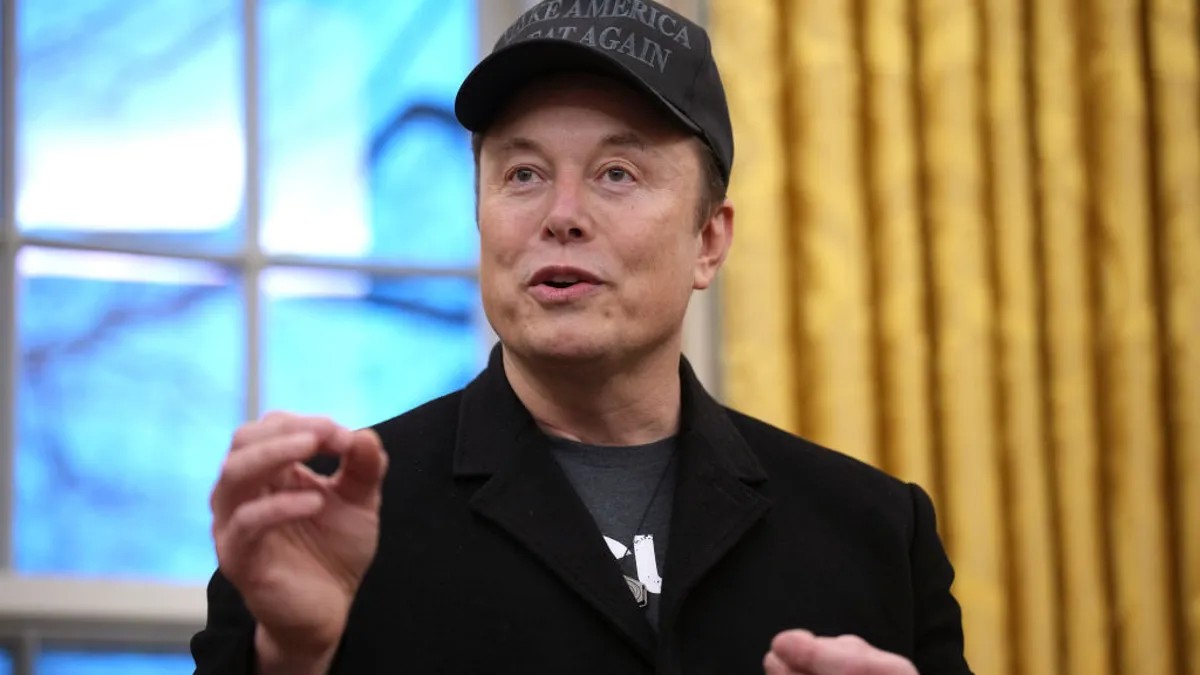
Elon Musk, CEO of xAI, has outlined an ambitious plan to construct a dedicated artificial intelligence satellite manufacturing facility on the Moon, complete with a massive catapult system for launching satellites directly into orbit. The proposal, first reported by The New York Times, underscores Musk’s growing conviction that space-based infrastructure is essential for the future scalability of AI.
The Rationale Behind Lunar AI Manufacturing 💡
Musk argues that Earth-bound AI development is facing an insurmountable constraint: energy demand. As AI models grow in complexity, their computational needs skyrocket, straining global power grids and escalating environmental concerns.
“Current advances in AI are dependent on large terrestrial data centers, which require immense amounts of power and cooling,” Musk stated following the merger of SpaceX and xAI. “Global electricity demand for AI simply cannot be met with terrestrial solutions… without imposing hardship.”
Relocating AI processing and manufacturing to space bypasses these limitations. The Moon, in particular, offers a stable, resource-rich environment with near-constant solar exposure.
The Catapult Concept: A Radical Approach 🚀
The proposed catapult system is not merely a logistical detail; it’s a core component of Musk’s cost-reduction strategy. Traditional rocket launches are expensive and fuel-intensive. A lunar catapult would use kinetic energy to accelerate satellites into orbit, dramatically lowering launch costs and enabling rapid deployment. Musk estimates this could become economically viable within 36 months.
Why This Matters: The Future of AI Infrastructure 🌍
This proposal is significant for several reasons:
- It highlights the growing energy crisis in AI: Current development relies heavily on unsustainable practices.
- It validates Musk’s long-term vision: SpaceX’s advancements in reusable rockets make this increasingly feasible.
- It raises questions about space governance: Who owns the Moon, and who regulates its industrial use?
This isn’t just about building a factory; it’s about reshaping the future of computing. Musk’s vision forces us to confront the limitations of Earth-bound solutions and consider a truly extraterrestrial approach to AI development. The move is aggressive, but in Musk’s view, it’s the “only way to scale.”