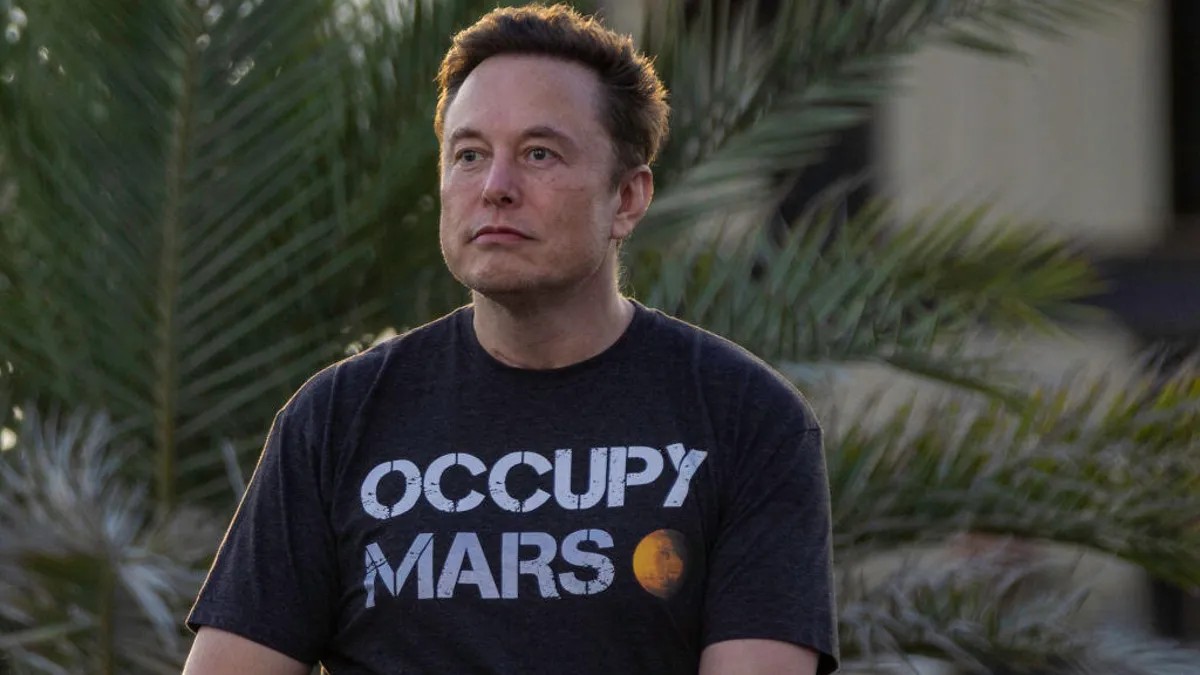
Elon Musk unveiled plans for Terafab, a $25 billion semiconductor manufacturing facility in Austin, Texas, backed by Tesla, SpaceX, and xAI. The ambitious project aims to establish the world’s largest chip-making plant, driven by Musk’s frustration with existing suppliers’ production speeds.
Why Now? The US Semiconductor Push
This move isn’t isolated. The US government’s CHIPS Act of 2022 incentivized domestic chip manufacturing, resulting in commitments from companies like Nvidia and Intel. Despite the legislation, the rollout of new facilities has been slow, leaving a gap that Terafab seeks to fill. The project’s scale—by far the most expensive announced to date—signals a major escalation in the US effort to onshore semiconductor production.
The Global Chip Landscape
Semiconductors are the core of modern electronics, from smartphones to AI systems. Demand is skyrocketing, especially with the AI boom, which has also caused a RAM shortage not expected to ease until 2028. This shortage drives up costs for consumers. Terafab’s goal is to alleviate these bottlenecks by mass-producing chips, targeting the cutting-edge 2-nanometer process.
Beyond Earth: Space-Grade Chips
Musk detailed plans for three key chips: the AI5 and AI6 for Tesla’s robotics and autonomous vehicles, and the D3 for orbital satellites. This reflects a broader trend, exemplified by Nvidia’s own ambitions to build AI data centers in space. The project isn’t just about easing terrestrial shortages; it’s about powering a future where AI and robotics extend beyond Earth.
The Long Game: A “Galactic Civilization”
Musk frames Terafab as a step towards becoming a “galactic civilization.” While the statement is ambitious, it underscores the strategic importance of semiconductor independence. By controlling the entire manufacturing process, Terafab aims to produce billions of chips, securing a critical supply chain for Musk’s ventures and, potentially, the US as a whole.
The Terafab project represents a bold bet on American manufacturing and a long-term vision for technological dominance in both Earth-based and space-based industries.