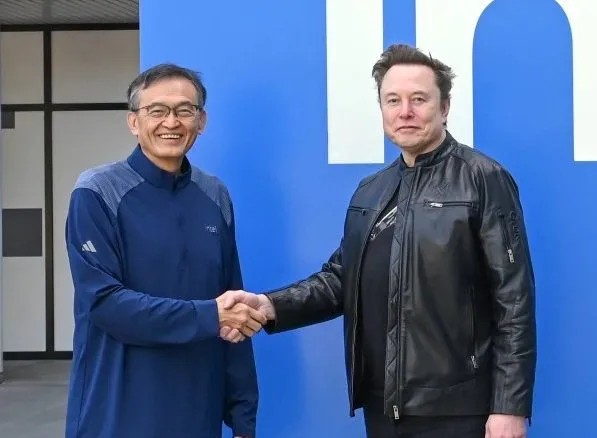
In a strategic move to bolster its foundry business, Intel has announced its participation in Terafab, a massive semiconductor project led by Elon Musk’s companies, SpaceX and Tesla. The partnership aims to establish a new chip manufacturing facility in Texas, targeting the immense computing demands of the next generation of technology.
The Vision: Powering AI and Robotics
The Terafab initiative is not just about manufacturing; it is about scale. According to a statement from Intel, the goal is to produce 1 terawatt (TW) of compute per year. This massive amount of processing power is intended to drive several frontier technologies:
- Artificial Intelligence: Powering the next wave of large-scale AI models.
- Robotics: Providing the “brains” for autonomous machines.
- Space Infrastructure: Supporting SpaceX’s proposed space-based data centers and satellite networks.
- Autonomous Mobility: Fueling the development of self-driving Tesla vehicles.
Bridging the Manufacturing Gap
The announcement clarifies a major question regarding the feasibility of Musk’s ambitious project. Building a semiconductor fabrication plant (a “fab”) is one of the most complex and capital-intensive endeavors in the corporate world. A single modern facility can cost upwards of $20 billion and requires years of construction and highly specialized clean-room environments.
While SpaceX and Tesla possess world-class engineering capabilities, they lack experience in the highly specialized field of silicon manufacturing. By bringing Intel into the fold, Terafab gains access to a veteran manufacturer with the proven ability to design, fabricate, and package ultra-high-performance chips at scale.
Strategic Implications for Intel
For Intel, this partnership represents a critical step in its ongoing pivot toward becoming a dominant foundry service provider.
For years, Intel has struggled to keep pace with rivals like Nvidia and AMD, who have thrived under a “fabless” model—designing chips while outsourcing the actual manufacturing to others. By securing SpaceX and Tesla as “anchor customers,” Intel is positioning itself as the essential infrastructure provider for the world’s most ambitious tech giants.
This move signals Intel’s intent to reclaim its relevance by proving it can manufacture the hardware that powers the most advanced AI and autonomous systems on (and off) the planet.
Market Reaction
The news was well-received by the financial markets. Following the announcement, Intel’s stock rose more than 3%, trading at approximately $52.28. While specific details regarding the exact scope of Intel’s financial and technical contribution remain undisclosed, the partnership provides a much-needed vote of confidence in Intel’s manufacturing roadmap.
Conclusion
By partnering with Musk’s ventures, Intel is transitioning from a struggling chip designer to a vital manufacturing partner for the AI era. This collaboration aims to solve the massive hardware bottleneck required to sustain the future of autonomous robotics and space-based computing.