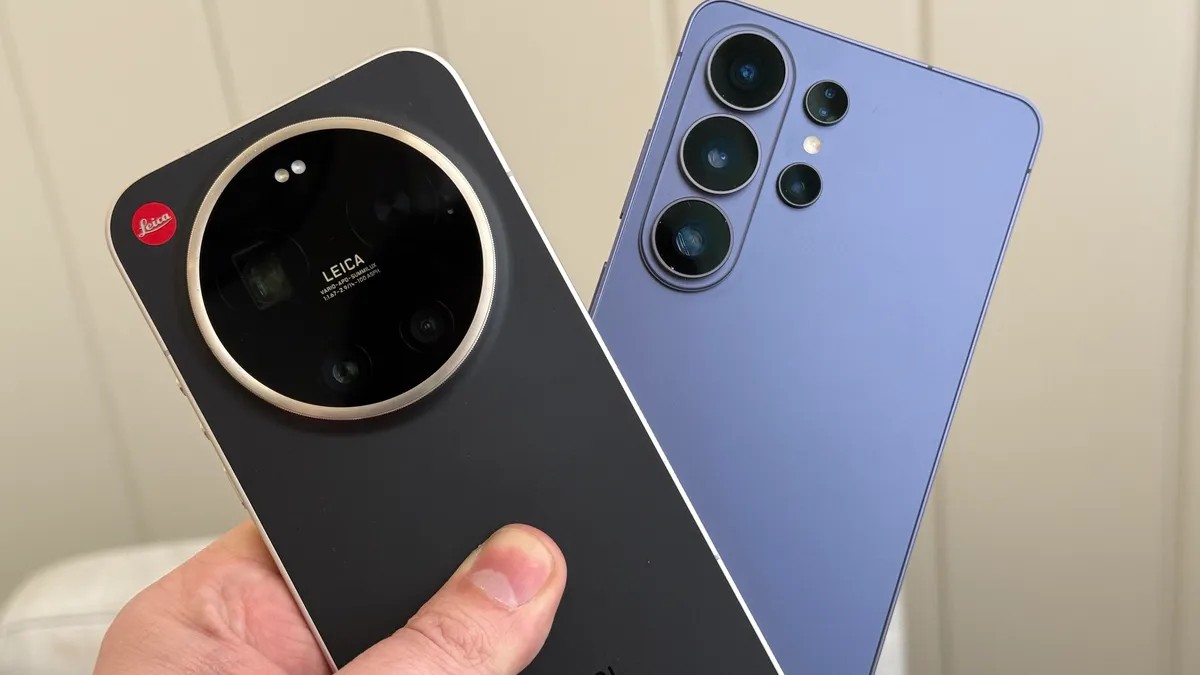
Samsung’s latest Galaxy S26 Ultra, while a capable flagship, demonstrates a worrying trend: incremental camera improvements overshadowed by software gimmicks. This approach contrasts sharply with Xiaomi’s Leica Leitzphone, a device that has redefined mobile photography with groundbreaking hardware innovations. The shift highlights a critical crossroads for Samsung—either prioritize genuine imaging advancements or risk losing ground to competitors who are.
The Innovation Gap
For years, Samsung has relied on minor hardware upgrades and AI-powered post-processing to enhance its flagship cameras. While effective, this strategy has plateaued, especially when compared to Xiaomi’s aggressive push for cutting-edge technology. The Leitzphone introduces the LOFIC (Lateral Overflow Integration Capacitor) image sensor, delivering significantly improved dynamic range and low-light performance—a feature Samsung reportedly considered but ultimately passed on.
This decision is particularly striking given the growing demand for superior image quality among professional and amateur photographers alike. Xiaomi has also integrated real moving lens elements in its telephoto zoom, enabling lossless optical zooming—a feature rumored for Samsung’s Ultra series for years but never implemented. These hardware leaps are not just about specs; they represent a fundamental commitment to pushing the boundaries of mobile photography.
The Leica Advantage
Xiaomi’s partnership with Leica has been instrumental in its success. The Leitzphone leverages Leica’s expertise in optics, color science, and user experience. The inclusion of a physical control ring, alongside stunning Leica Summilux lenses and colour profiles, provides a tactile and intuitive experience that resonates with serious photographers. Samsung’s reliance on generative AI tools, while attention-grabbing, feels like a distraction from addressing core imaging deficiencies.
The Leitzphone isn’t just a smartphone; it’s a statement that photography matters. Samsung’s latest model, in comparison, feels like a refinement of existing technology rather than a leap forward.
The Risk for Samsung
Samsung’s failure to prioritize significant camera hardware upgrades risks alienating a crucial segment of its user base: photographers and content creators. These users demand tools that meet their professional and artistic needs. By focusing on gimmicks instead of tangible improvements, Samsung may push these customers towards rivals like Xiaomi, who are actively catering to their demands.
The market for high-end smartphones is competitive, and innovation is key. Samsung must recognize that software alone cannot compensate for hardware shortcomings. The company’s next move will determine whether it remains a leader in mobile photography or fades into the background as competitors raise the bar.
Ultimately, Samsung must decide if it wants to be a camera phone or a proper photography tool. The answer will shape its future in a market increasingly driven by imaging excellence.