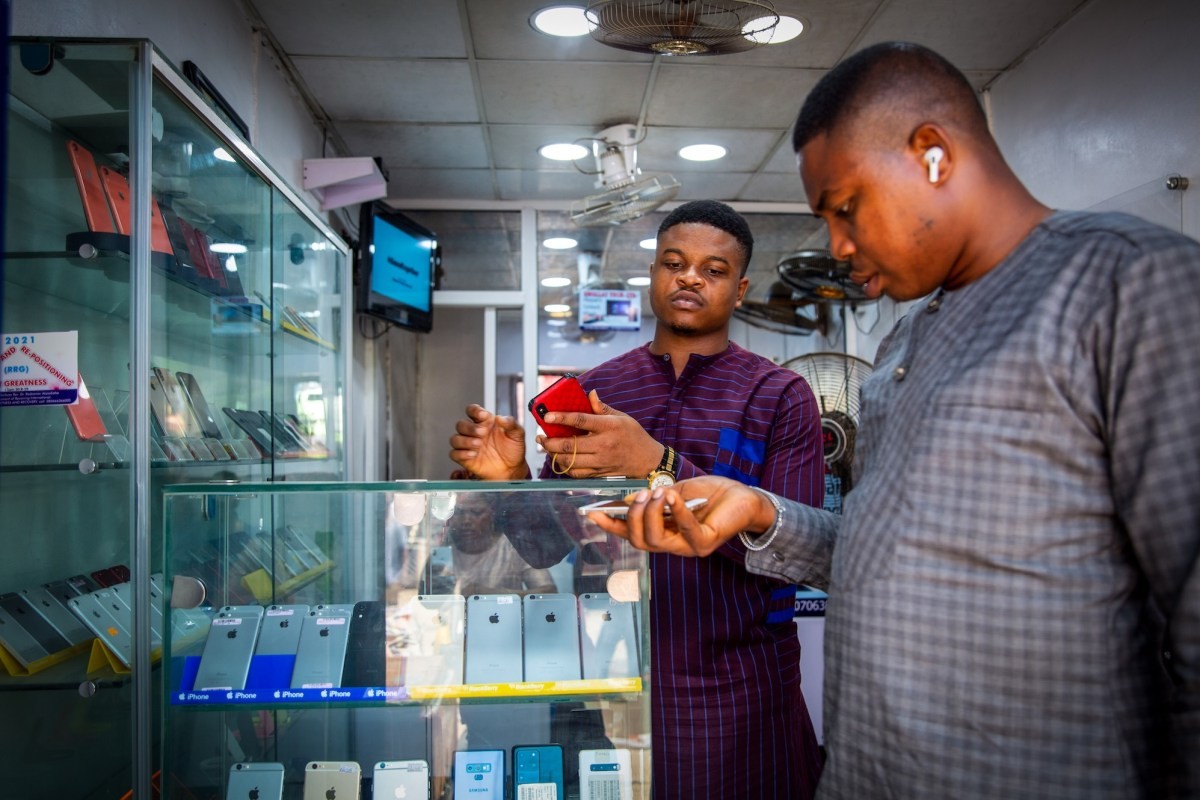
A coalition of telecom companies, device makers, and industry groups is ramping up efforts to bring smartphones priced at $40 to market, a move seen as critical to bridging the digital divide in developing nations. The initiative, driven by the GSMA’s Handset Affordability Coalition, aims to connect an additional 20 million people in six African countries – the Democratic Republic of the Congo, Ethiopia, Nigeria, Rwanda, Tanzania, and Uganda – to the internet.
The Digital Divide and Why $40 Matters
Millions worldwide live within reach of mobile broadband but remain offline due to the cost of devices. The $40 price point is not arbitrary; it’s based on research identifying the affordability threshold for many in emerging markets. Lowering the barrier to entry for smartphone ownership is seen as a direct path to economic empowerment and access to essential services. This isn’t just about connectivity; it’s about enabling access to education, healthcare, financial tools, and opportunities that rely on digital inclusion.
Challenges in Production and Policy
Despite momentum, significant hurdles remain. The GSMA is negotiating with over 15 smartphone manufacturers, with seven expressing interest, but producing devices at this price point is challenging given rising component costs, particularly memory chips.
The initiative also hinges on government action. High import duties and taxes, sometimes treating smartphones as luxury items, can inflate prices by as much as 30% in some regions. While South Africa recently removed a luxury excise duty, no other pilot country has committed to similar policy changes, hindering the initiative’s progress.
Past Attempts and Current Realities
Previous attempts to launch ultra-low-cost smartphones, such as Google’s Android One in 2014, have struggled to gain widespread adoption. The market is unforgiving : even if manufacturers can hit the $40 target, razor-thin profit margins and the difficulty of securing low-capacity components mean these devices will likely have basic specifications. The average selling price for smartphones in the Middle East and Africa stood at $188 in late 2025, underscoring the distance between current prices and the $40 goal.
What’s Next?
The GSMA aims for proof-of-concept devices this year, with potential consumer offerings by late 2026. Success depends on coordinated action between operators, manufacturers, and governments.
“We believe there is an urgency for the public sector to address this part of the equation for digital inclusion purposes,” states Alix Jagueneau, GSMA’s head of external affairs.
Ultimately, the viability of $40 smartphones rests on a combination of technological innovation, favorable trade policies, and sustained industry cooperation. The effort represents a vital step toward closing the digital divide, but it is far from guaranteed.