


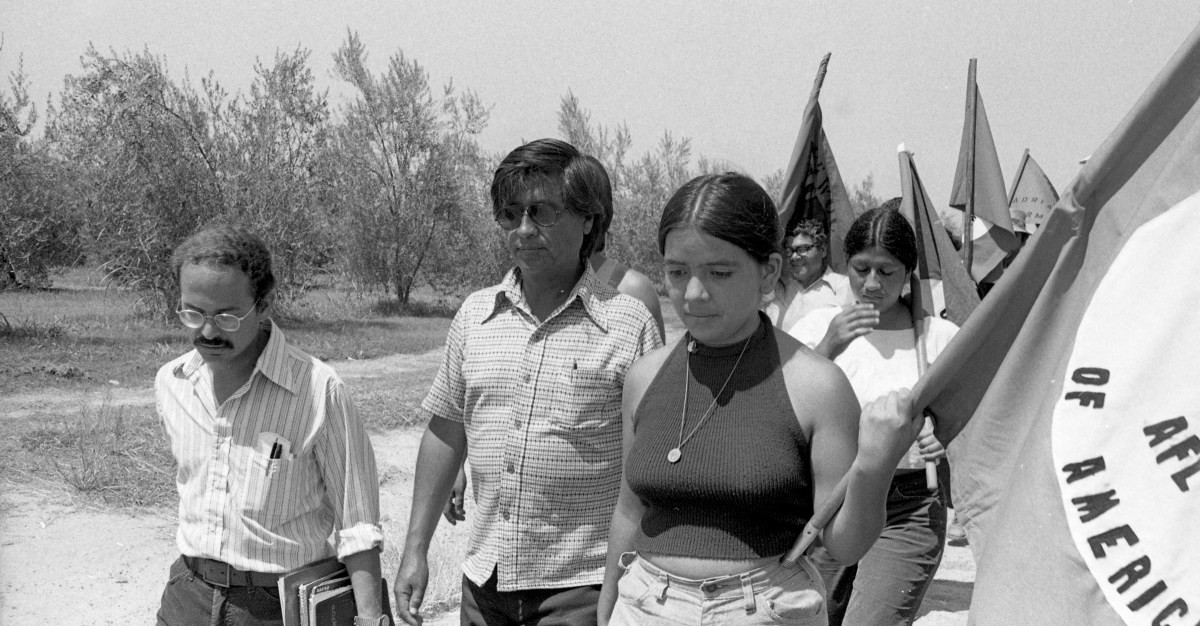
The decades-long veneration of Cesar Chavez, the iconic labor leader and Latino activist, is fracturing in the wake of shocking allegations of sexual abuse and coercion. Recent revelations in The New York Times detail disturbing accounts from two survivors, Debra Rojas and Ana Murguia, who allege Chavez abused them when they were minors. The story also includes a decades-old claim from Dolores Huerta, his close ally, that Chavez raped her, resulting in two children she secretly placed for adoption.
The fallout has already begun: California lawmakers are renaming Cesar Chavez Day to Farmworkers Day, and similar actions are expected elsewhere. This shift isn’t merely symbolic; it reflects a reckoning with a movement historically shielded by hero worship and internal silences. As historian Matt Garcia explains, the UFW and broader activist circles fostered an environment where abuse thrived due to unchecked power dynamics, emotional manipulation, and a fear of reprisal.
The Pattern of Abuse Was Known, But Suppressed
Garcia reveals that whispers of Chavez’s misconduct circulated within the movement for years. In 2012, his biography From the Jaws of Victory alluded to extramarital affairs, but the extent of the abuse remained hidden until survivors came forward in a closed Facebook group. The New York Times report was facilitated by Garcia, who connected the victims with reporters in 2021.
Huerta’s Revelation Complicates Her Own Legacy
Dolores Huerta’s admission that Chavez raped her adds another layer of complexity. While she has remained a revered figure in labor history, her silence for decades raises questions about the movement’s complicity. Garcia notes that Huerta also participated in the UFW’s internal purges, a practice that created a climate of fear and discouraged whistleblowing.
Accountability and the Future of Chavez’s Memory
Given Chavez’s death in 1993, direct accountability is impossible. However, the revelations prompt a broader discussion about the ethical implications of profiting from a fraudulent legacy. Garcia suggests that victims may have legal recourse against organizations like the Cesar Chavez Foundation, which has benefited financially from his image.
A Movement Built on Silences
The historical context is critical. The UFW operated in an environment of paranoia and internal control, where dissent was swiftly punished. This atmosphere likely stifled abuse reporting, as victims feared retaliation from both Chavez and the movement’s leadership.
The question now is not whether to erase Chavez’s contributions but to acknowledge the totality of his actions. Murals, street names, and school dedications won’t simply disappear, but the conversation surrounding his legacy must shift. The San Antonio chapter of the Cesar Chavez Legacy & Educational Foundation has already disbanded in response, signaling that some organizations are willing to confront the truth.
The broader lesson extends beyond Chavez: unchecked power, regardless of race or ethnicity, enables abuse. This reckoning is part of a larger pattern in American history, from the Weinstein and Epstein scandals to the broader #MeToo movement. The challenge for activists, policymakers, and ordinary Americans is to confront these uncomfortable truths and demand systemic change.


