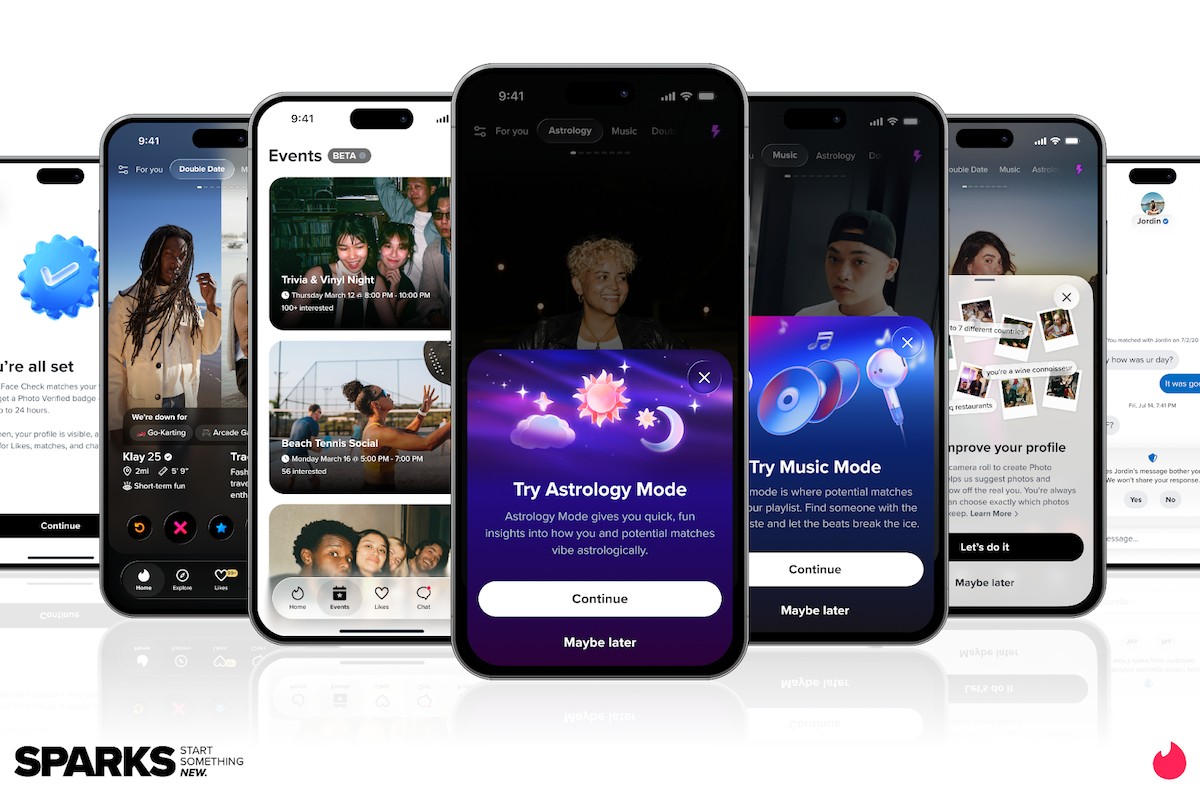
Tinder is aggressively overhauling its platform with a wave of new features designed to draw users back from competitors and win over Gen Z. The company, facing declining subscriber numbers and increased competition, is betting on in-person experiences, AI-powered matching, and revamped safety tools to reignite engagement. This push follows a $50 million investment by its parent company, Match Group, signaling a serious commitment to product development.
The Shift to Real-World Connections
A key element of Tinder’s strategy is encouraging users to meet offline. The new Events tab, rolling out in Los Angeles first, will curate local events—from speakeasies to pottery classes—where users can connect with matches in person. This taps into a growing trend among younger daters who prioritize authentic experiences over endless swiping. The app will also function like a modern “Missed Connections” board, allowing users to revisit profiles of event attendees they might have missed.
This shift is significant because Gen Z is increasingly rejecting the isolation of traditional dating apps. They crave social environments where interactions feel more natural and less transactional. By blending dating with social activities, Tinder hopes to position itself as part of users’ existing lifestyles rather than a separate chore.
Speed Dating Reimagined
Tinder is also experimenting with virtual speed dating in Los Angeles, offering three-minute video chats to help users quickly assess chemistry. This is a revival of a previously abandoned feature, indicating that the company is willing to revisit ideas that failed earlier, but now might fit the evolving landscape. The feature requires profile verification to deter bots and fake accounts.
The question is whether this experiment will succeed where others failed. The pandemic-era surge in video dating has waned, raising doubts about whether users will embrace it now.
AI Takes Center Stage
Artificial intelligence is another cornerstone of Tinder’s revamp. The Chemistry feature uses AI to analyze user preferences—including camera roll data (with permission)—to refine matching algorithms. This is designed to reduce swipe fatigue by surfacing more relevant matches faster. The company aims to integrate AI more deeply into the entire Tinder experience, making it feel more personalized from the outset.
A new Learning Mode will also accelerate personalization, learning user preferences from the first session instead of requiring weeks of swiping.
Enhanced Safety and Visual Updates
Tinder is also bolstering safety features, using large language models to detect harmful messages and auto-blur disrespectful content. The app is also receiving a visual overhaul with edge-to-edge photos, subtle blur effects, and a new “Liquid Glass” aesthetic. New modes like Music Mode (Spotify integration) and Astrology Mode (birth chart compatibility) are also on the way.
These changes are part of a larger effort to regain investor confidence. Match Group reported $878 million in revenue for Q4 2023, but declining paying subscribers pose a serious threat. Tinder must prove it can adapt to changing user behavior and fend off competitors like Breeze, 222, Timeleft, and Thursday, which also prioritize IRL connections.
In conclusion, Tinder’s overhaul represents a pivotal shift towards a more holistic and experiential approach to dating. Whether these changes will be enough to revitalize the platform remains to be seen, but the company is clearly betting big on blending online and offline interactions, leveraging AI, and prioritizing user safety.