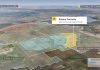
Waymo, the autonomous vehicle company, is taking legal action against the city of Santa Monica following a dispute over 24/7 charging stations for its driverless fleet. The lawsuit stems from complaints by residents who allege the stations’ nighttime lights and beeping noises are disruptive, leading to active obstruction of Waymo vehicles attempting to charge.
The Conflict Escalates
For approximately a year, Waymo has operated two charging facilities in Santa Monica with around-the-clock access, a condition the city initially approved. However, resident frustration grew as the constant operation of the charging stations, including overnight, caused sleep disturbances. Neighbors resorted to physically blocking the autonomous vehicles from reaching the ports, a tactic dubbed “stacking the Waymos” by local media.
Despite filing for a temporary restraining order against one particularly persistent resident, Waymo’s attempts at resolving the issue have stalled. The company claims in its lawsuit that the charging stations do not constitute a public nuisance and that halting operations would cause “imminent and irreparable harm” to its business.
City Response and Failed Compromise
Last month, Santa Monica officials ordered Waymo and Voltera (the charging facility operator) to suspend overnight operations, citing the noise and light disturbances as a legitimate public nuisance. Waymo attempted a compromise, proposing software updates to quiet the vehicles’ approach routes and reduce visibility. However, after a December 15 meeting with the city, no agreement was reached.
Waymo emphasizes that it proactively addressed initial complaints by consulting regulators and implementing noise reduction measures. City records reportedly show that resident complaints had even subsided by September 2025. Nevertheless, Santa Monica insisted no proposed solution would satisfy residents, prompting the lawsuit.
Broader Implications
The dispute extends beyond mere neighborly annoyance. Waymo argues that Santa Monica’s actions contradict its stated goal of attracting investment, particularly at a time when the city faces a fiscal crisis. The company points out that obstructing a properly permitted business creates an anti-investment environment.
Waymo’s service expansion to 120 square miles in Los Angeles County, including high-traffic areas like Hollywood and Silver Lake, makes reliable charging infrastructure critical. The company claims over one million trips have been completed in Santa Monica, including 50,000 in November alone, suggesting a significant reliance on the contested charging stations.
“The City of Santa Monica’s recent actions are inconsistent with its stated goal of attracting investment.” – Waymo Spokesperson
The case highlights a growing tension between the rapid deployment of autonomous technology and the need to balance innovation with quality of life concerns. As driverless vehicles become more common, similar conflicts are likely to arise, forcing cities and companies to find sustainable solutions that minimize disruption while maximizing accessibility.