European law enforcement agencies, coordinated by Europol, have dismantled Cryptomixer, a major cryptocurrency laundering platform. The operation effectively shuts down a key tool used by criminals to conceal illicit funds.
The Scale of the Operation
Since 2016, Cryptomixer processed approximately €1.3 billion ($1.5 billion) in Bitcoin on behalf of cybercriminals. The service was favored for its ability to obscure the origin of funds derived from illegal activities, including drug trafficking, arms deals, ransomware attacks, and payment card fraud.
How Crypto Mixing Works
Cryptomixer operated by pooling cryptocurrency deposits from multiple users before redistributing them randomly. This method intentionally disrupts the traceability of funds on public blockchains like Bitcoin and Ethereum. While these blockchains record every transaction, mixing services like Cryptomixer exploit their design to make it difficult for investigators to connect coins to their original source.
“Deposited funds from various users were pooled for a long and randomised period before being redistributed to destination addresses, again at random times.” — Europol
Seizures and Consequences
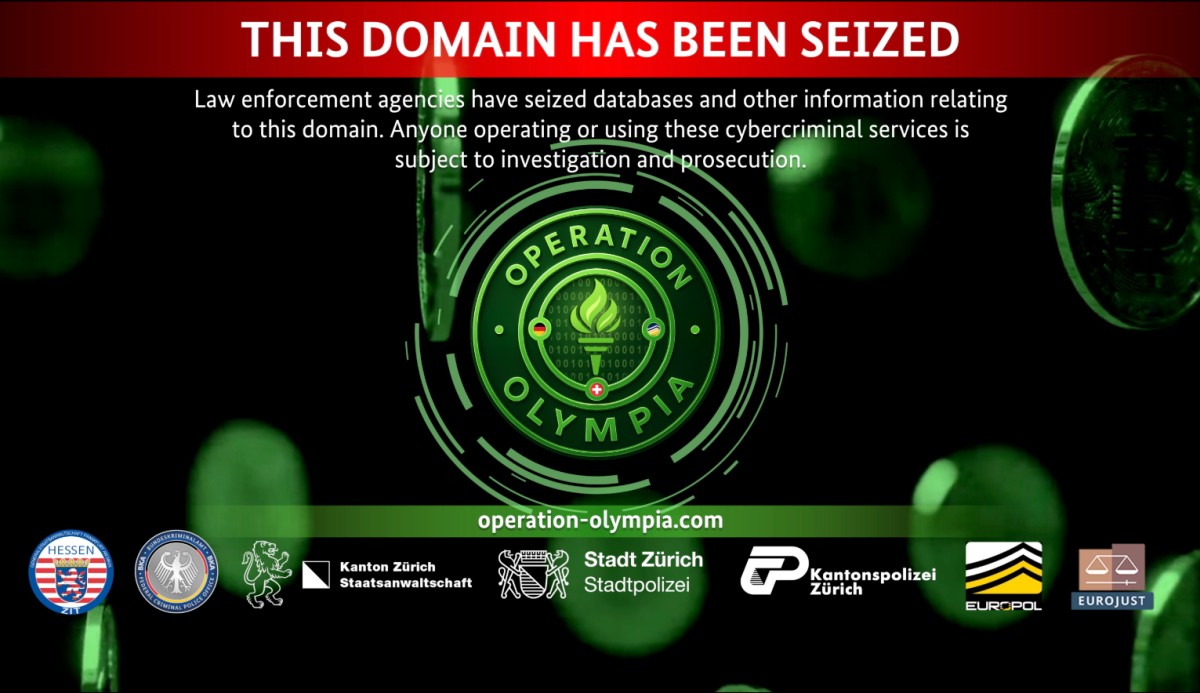
The law enforcement action resulted in the seizure of €25 million ($29 million) in Bitcoin, three servers containing 12 terabytes of data, and the platform’s domain (cryptomixer.io), which now displays a standard law enforcement seizure notice.
Cryptomixer’s customers included ransomware groups, dark web marketplaces, and participants in underground forums. The service allowed criminals to launder crypto before converting it into other cryptocurrencies or fiat currency via legitimate exchanges.
A Growing Trend of Crackdowns
The shutdown of Cryptomixer follows similar actions against other cryptocurrency laundering services, such as Tornado Cash and ChipMixer. Authorities are increasingly targeting these platforms as they recognize their role in facilitating financial crime.
The continued dismantling of these operations suggests a tightening grip on crypto-enabled illegal markets, but it also underscores the ongoing cat-and-mouse game between law enforcement and criminals seeking anonymity in digital finance.