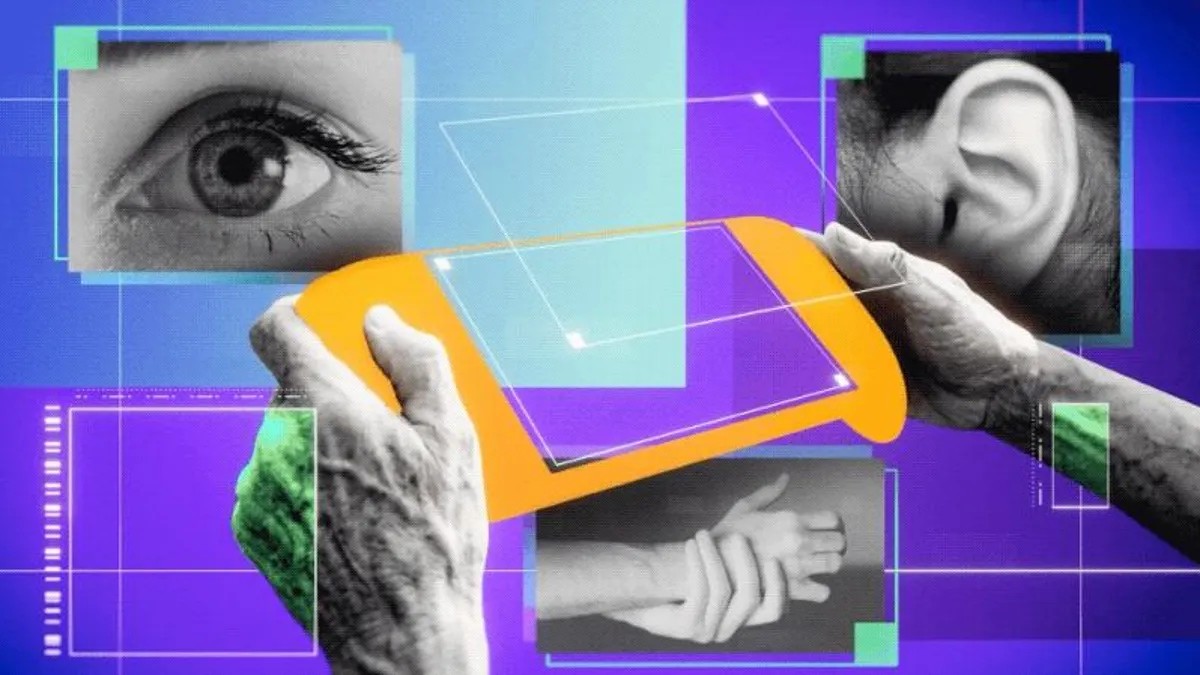
As we age, our bodies change. That’s a fact. For gamers, these changes can make the hobby we love frustrating, uncomfortable, or even impossible. But it doesn’t have to be that way. The key is understanding why aging affects gaming and then adapting your approach.
The Reality of Aging and Gaming
Gaming anxiety isn’t just about skill; it’s about the physical and mental decline that comes with age. Vision blurs, reflexes slow, hands shake, tinnitus rings… these aren’t just inconveniences. They’re real roadblocks to enjoying games. Yet, older gamers are still out there: over half of Gen X, almost half of Boomers, and over a third of the Silent Generation play weekly. That means millions of people are dealing with these issues.
The problem isn’t a lack of interest; it’s a lack of awareness and adaptation. Many aging gamers struggle because they try to force the same habits onto a body that no longer supports them.
The Shift: From PC to Controller, From Desk to Couch
One simple solution is to change how you play. The author found that switching from keyboard-and-mouse PC gaming to controller-based handhelds, tablets, or consoles made a huge difference. Why? Because aging bodies often crave comfort and mobility. A controller doesn’t chain you to a desk; it lets you play anywhere, in any position.
This isn’t just about comfort. It’s about physics. Muscle weakness, shaky hands, and degraded vision all make precise mouse movements and keyboard inputs harder. A controller simplifies controls, reducing strain and improving accuracy.
Hardware and Software Adjustments Matter
Beyond the input method, hardware and software matter. Here’s how to optimize:
- Displays: Too small or dim? Upgrade to a larger, brighter screen. Poor contrast makes details vanish.
- Controls: Twitchy fingers? Explore adaptive controllers or remap buttons for easier access.
- Accessibility Settings: Most games now have options for colorblindness, subtitles, and control remapping. Use them.
- Game Selection: Choose genres suited to your current abilities. Roguelites are forgiving; strategy games demand patience and planning.
Gaming engineer Niall White points out that aging isn’t often considered in accessibility design. This is a problem, but it also means there’s room for innovation.
The Mental Game: Acceptance and Adaptation
Gaming isn’t just physical; it’s mental. As we age, cognitive decline can affect reaction times, memory, and decision-making. The key is to accept these changes and adapt.
Microsoft’s gaming accessibility lead, Kaitlyn Jones, notes that older gamers often assume decline means incompetence. Instead, they should experiment with settings and tools.
The AARP’s research confirms that older adults play for fun and to stay mentally sharp. But if the fun is gone, so is the motivation. The solution isn’t to push harder; it’s to find games that still feel rewarding.
The Bottom Line
Aging doesn’t mean giving up on gaming. It means changing how you play. Adapt your hardware, software, and mindset, and you can keep enjoying the hobby for years to come. The goal isn’t to beat the game; it’s to have fun doing it.