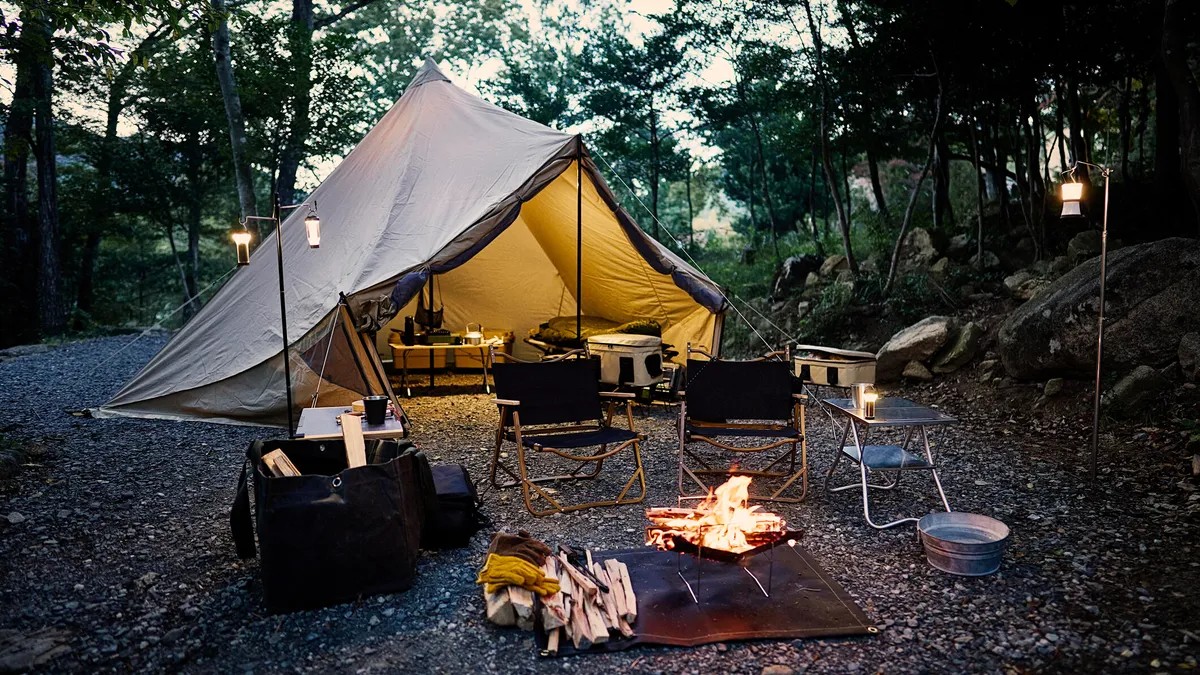
The desire to disconnect from the digital world and reconnect with nature is a universal craving. For some, this means rugged survivalism—sleeping under the stars with nothing but a sleeping bag and the clothes on their back. For others, it implies “glamping”: a luxurious outdoor experience complete with electricity, hot water, and high-end audio systems.
Regardless of where you fall on the spectrum between ruggedness and comfort, Artificial Intelligence (AI) has emerged as an unexpected but powerful ally in planning the perfect getaway. By handling the logistical heavy lifting and creative brainstorming, AI tools allow campers to focus less on spreadsheets and more on the experience itself.
Crafting the Atmosphere: From Aesthetics to Adventure
For many enthusiasts, camping is not just about sleeping outdoors; it is an immersive experience. Whether you are a hardcore fantasy role-player or simply someone who appreciates a well-curated aesthetic, the “vibe” of your campsite matters.
AI language models and image generators can bridge the gap between a vague concept and a concrete plan. For instance, when tasked with designing a “nerdy, fantasy-inspired” glamping setup for a group of friends, AI tools like Google Gemini can generate both visual inspiration and practical checklists.
Key AI-driven aesthetic recommendations include:
* Thematic Decor: Using vintage-style lanterns, amber string lights, and parchment-style maps to create a focal point.
* Functional Chic: Hiding modern conveniences (like power strips or tech gadgets) inside fantasy-adjacent wooden boxes to maintain immersion.
* Comfort Upgrades: Opting for real mattresses over traditional sleeping bags and using tripod-mounted kettles for efficient, rustic cooking.
This approach transforms a standard weekend trip into a curated event, proving that AI can help users achieve a specific “character” or mood without requiring professional interior design skills.
Streamlining Logistics: Data-Driven Campground Selection
One of the most tedious aspects of camping is research. Manually reviewing dozens of government websites, cross-referencing amenities, and calculating drive times can be overwhelming. AI excels here by synthesizing vast amounts of data into actionable insights.
By inputting specific criteria—such as a maximum two-hour drive from Southern California, a need for flushing toilets, and a preference for botanical scenery—an AI assistant can quickly filter options and provide a comparative analysis.
What AI brings to the table:
* Consolidated Reviews: It aggregates feedback on maintenance, fees, and amenities.
* Convenience Metrics: It factors in “annoyance” variables like drive time and the lack of on-demand utilities.
* Balanced Recommendations: In one example, the AI identified Malibu Creek and Mesa Campground as optimal choices, offering a balance of natural beauty and necessary resources (like showers) for those who want to avoid “roughing it” too hard.
This capability allows users to make informed decisions at a glance, eliminating the need to keep dozens of browser tabs open.
Curating Activities and Managing Risks
The definition of a “perfect” camping trip varies wildly. For some, it involves adrenaline-pumping rock climbing; for others, it’s a serene night of stargazing. AI can help identify locations that cater to specific activity profiles.
When asked for a site that combined daytime thrills with nighttime “trippy” possibilities, the AI suggested Joshua Tree. This recommendation was based on the park’s history of mind-expanding landscapes and its designation as an International Dark Sky Park. This status means strict lighting ordinances are in place to preserve the visibility of celestial bodies, making it ideal for stargazing.
However, a critical caveat remains:
While AI is excellent for inspiration and data synthesis, it is not a substitute for real-time safety checks. Weather conditions, trail closures, and fire restrictions can change rapidly. AI models may not have the most up-to-the-minute information.
Therefore, the final step in any AI-assisted plan must be verification. Always cross-reference AI suggestions with official park websites and local weather forecasts before packing your bags.
The Verdict
AI does not replace the joy of the outdoors; it removes the friction of planning it. By handling the research, aesthetic coordination, and logistical comparisons, these tools allow campers to spend less time worrying about details and more time enjoying the fresh air, the firelight, and the company of friends.
In short, AI turns the chore of planning into a seamless prelude to adventure.