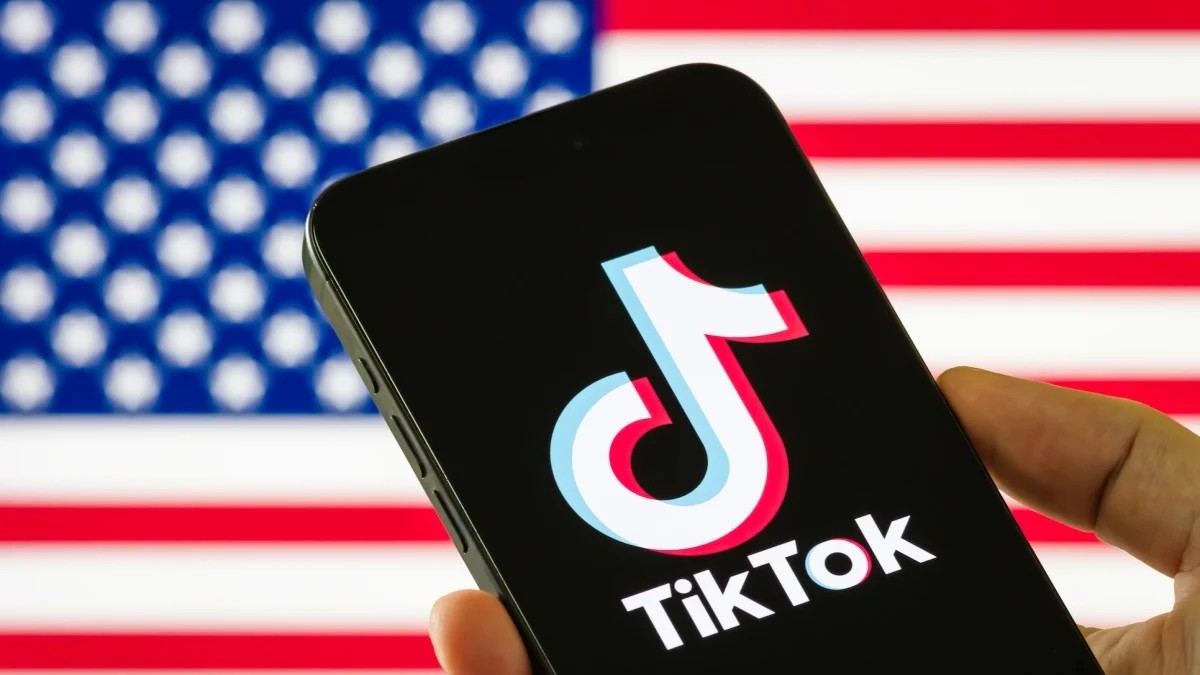
The U.S. ban on TikTok, initially slated for December 16, 2025, has been pushed back again – this time to January 23, 2026. This latest extension marks the fourth delay since the original deadline under the Trump administration, highlighting a pattern of indecision and political maneuvering surrounding the app’s fate.
The Shifting Timeline
The core issue centers on the Protecting Americans from Foreign Adversary Controlled Applications Act of 2024, which mandates TikTok’s Chinese parent company, ByteDance, to divest its U.S. operations or face a ban. The initial deadline was set for Inauguration Day, January 20, 2025, but was immediately extended. Subsequent executive orders pushed the date to April 4, then June 19, and finally December 16, 2025.
The newest order, issued on September 25, grants TikTok another 120 days of non-enforcement, citing a “qualified divestiture plan” that remains largely undefined.
Why the Delays Matter
These repeated delays aren’t merely bureaucratic hiccups. They underscore the complex geopolitical and economic pressures at play. The Chinese government views U.S. pressure on ByteDance as hostile and potentially retaliatory. Meanwhile, the U.S. government insists on national security concerns, citing TikTok’s ties to China and potential data access risks.
The reality is that a constantly shifting deadline isn’t a real deadline at all. It suggests either a lack of serious intent to enforce the ban or an expectation that ByteDance will eventually comply on favorable terms.
The Oracle Deal and Lingering Confusion
A potential sale of TikTok’s U.S. operations to a consortium led by Oracle, backed by Trump supporter Larry Ellison, was floated as a solution. However, no concrete details have emerged, and China has denied any progress on the deal. This leaves the situation in a state of perpetual uncertainty.
“Given the evidence of the past year, it wouldn’t be wise to bet your life savings on it.”
Ultimately, whether TikTok will be officially banned on January 23, 2026, remains anyone’s guess. The situation is a testament to the tangled web of politics, international relations, and corporate maneuvering that now defines the future of one of the world’s most popular social media platforms.
The repeated extensions suggest this saga will likely continue well into the future, with no clear resolution in sight.