The tech industry is bracing for a significant shift as Apple prepares for its next chapter. While the departure of a long-standing CEO is rarely without impact, the recent news regarding Apple’s leadership succession has set the stage for a major discussion on legacy, product direction, and the future of the world’s most influential tech giant.
The End of the Cook Era: Legacy and Succession
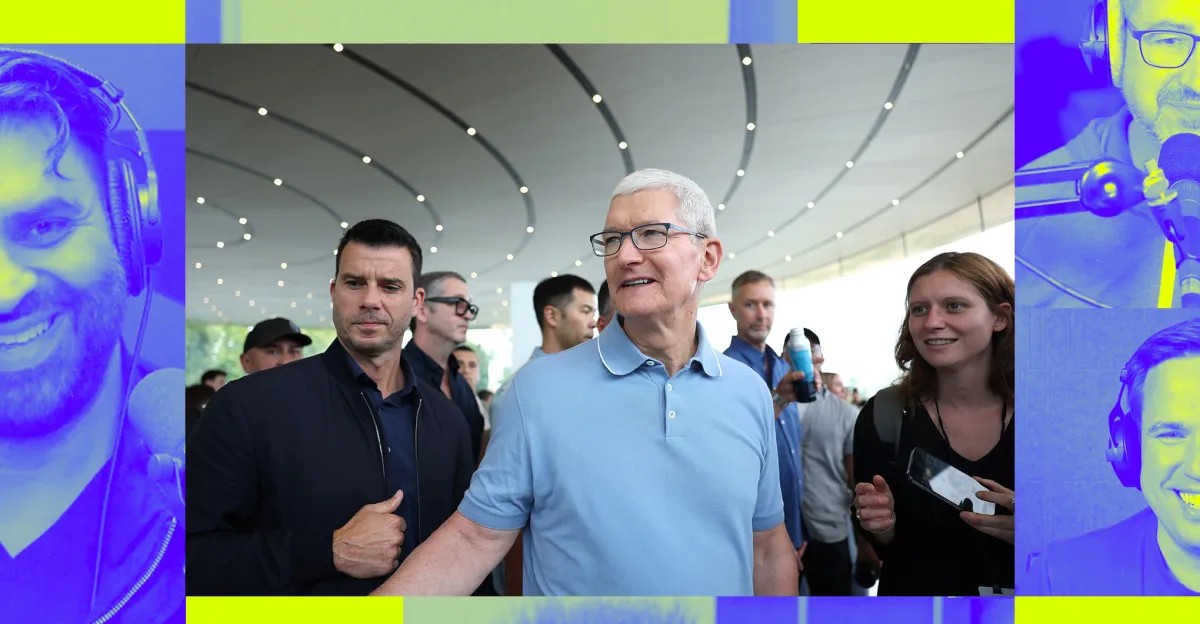
For much of the past year, industry insiders have speculated that John Ternus was the frontrunner to succeed Tim Cook. While the official announcement still carries a sense of surprise, the transition appears to be one of the smoothest succession plans in Silicon Valley history.
However, the conversation isn’t just about who is taking the reins, but what that person inherits. A central debate emerging is the nature of Tim Cook’s legacy as a product leader. Unlike his predecessor, Steve Jobs, Cook’s tenure has been defined by operational excellence and massive ecosystem growth, but it has also faced scrutiny regarding specific hardware choices.
The Product Debate: Innovation vs. Execution
A key question for analysts and enthusiasts alike is how to evaluate Cook’s impact on Apple’s hardware:
– The “Failure” Argument: Should Cook be held responsible for experimental products that missed the mark, such as the controversial Touch Bar?
– The “Execution” Argument: Or, more accurately, should the criticism be leveled at a lack of effort to refine and perfect those concepts into something truly useful?
This distinction is vital because it highlights a broader trend in Apple’s recent history: a shift from radical, singular innovation toward a more polished, iterative approach to product development.
Microsoft’s Gaming Ambitions and Legal Hurdles
Shifting focus to the gaming sector, Microsoft is doubling down on its commitment to the Xbox brand. The company is signaling a massive push toward cross-platform accessibility, aiming to allow gamers to play their favorite titles “anywhere, on anything.”
While the vision is ambitious, it faces two significant obstacles:
1. Technical Friction: Making a seamless gaming experience across various devices and platforms is a massive engineering challenge.
2. Regulatory Scrutiny: Microsoft’s aggressive expansion into gaming will likely require significant legal maneuvering to navigate antitrust concerns and platform competition laws.
Tech Round-Up: AI, Regulation, and Industry Oddities
Beyond the major shifts at Apple and Microsoft, the broader tech landscape continues to move at a breakneck pace. Recent developments include:
- AI Advancements: Anthropic continues to push the boundaries of large language models with its latest Mythos model, though its complexities continue to spark debate regarding usability and performance.
- Regulatory Pressure: The ongoing