Look around your kitchen or living room. You are surrounded by sensitive electronics. Laptops. TVs. Game consoles. The smart fridge. They all need a steady stream of voltage to function. When that flow spikes, components fry. The result is a malfunction that can quickly turn into permanent damage. These surges don’t just appear out of nowhere. Heavy thunderstorms often trigger them. So do partial blackouts or utility grid fluctuations.
Most people try to fix this with a power strip. You probably have one under your desk. It acts as a buffer between the wall outlet and your plugged-in gear. It regulates the voltage for those specific devices. If a spike hits, the strip takes the hit. But it only protects what is plugged into it. Your microwave? Unprotected. Your hardwired security system? Exposed. If you want to shield the entire home, a power strip won’t cut it. You need a whole-house surge protector.
What Is a Whole-house Surge Protector?
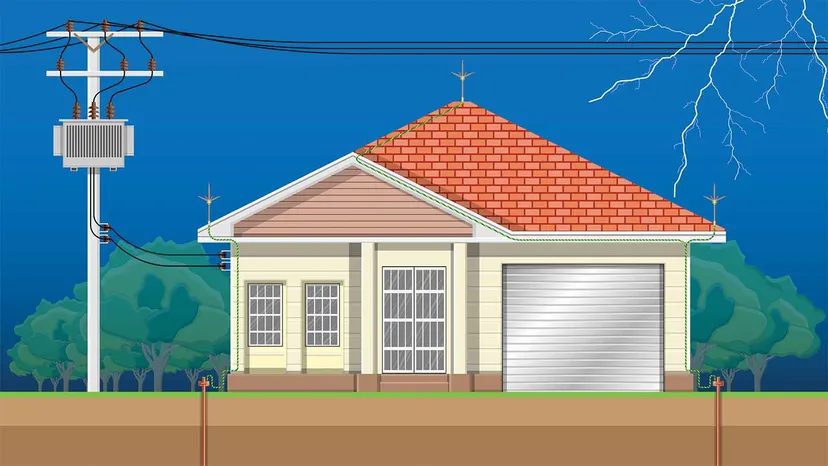
A whole-house surge protector is a device installed directly at your main electrical panel. Unlike the strip on your desk, it doesn’t just sit on an outlet. It is wired into your home’s electrical system. Think of it as a gatekeeper for all incoming power.
When the utility line delivers a voltage spike, this device detects the change. It then diverts the excess energy safely to the ground. This prevents the surge from reaching your circuits. It protects everything connected to your home’s wiring. Every light switch. Every outlet. Every plugged-in appliance. The protection starts at the source.
These units are not optional add-ons. They are critical infrastructure for modern homes. With so many smart devices drawing power, the risk of damage is higher than ever. A single surge can wipe out years of data on your computer. It can ruin a costly home theater setup. It can even damage your HVAC system.
“A whole-house surge protector provides a first line of defense, stopping surges before they enter your home’s wiring.”
Not all units are created equal. Some offer basic protection. Others provide more advanced monitoring. You need to know which one fits your needs. The right choice depends on your home’s age, your local weather patterns, and the value of your electronics.
Why settle for partial protection when you can shield your entire house? The difference between a fried motherboard and a safe home comes down to this one installation. It’s not about convenience. It’s about preservation. Your data. Your comfort. Your wallet. The question isn’t whether you need it. It’s which one you trust to keep the lights on when the storm hits.

You might think a power strip is enough. It isn’t. If you have sensitive electronics or a home business, losing power isn’t just an inconvenience. It’s a financial hit. Chris Haas, a licensed electrician in Maryland, points out that properties relying on continuous power risk massive revenue loss and eroded client trust if systems go down.
That’s why whole-home surge protection is becoming standard for homes with expensive gear or critical operations. It’s not just about saving a laptop. It’s about protecting the furnace, the AC, and the water heater.
How Installation Works
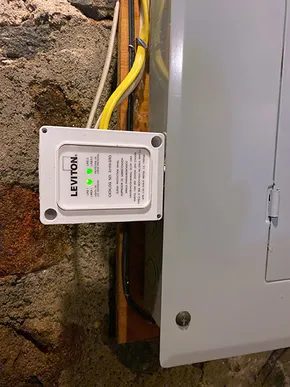
A whole-house surge protector looks like a boring gray box. You won’t find one on Amazon to install yourself. It requires a licensed professional.
The unit mounts directly between your main circuit breaker panel and the community power grid. This is the main entry point for electricity. Once activated, the device regulates current flow to every electrical device in your house.
This includes hard-wired appliances. Think water heaters. Air conditioning units. Things you can’t plug into a standard surge strip.
“This provides the homeowner with much more protection on some of their most expensive appliances to repair or replace,” Haas explains.
Which Appliances Need Protection?
Not all electronics are created equal. Some are vulnerable. Some are expensive to fix.
Your washer and dryer fall into the expensive category. So does your fridge. Your furnace. These items are hard-wired. You can’t just plug them into a power bar. Without whole-home protection, they are exposed to harmful power surges.
Surges don’t just come from lightning. They come from the grid itself. Utility companies switching power on and off. Neighbors turning on large motors. The result is the same. A spike in voltage that fries circuitry.
Whole-home protectors catch these spikes before they reach your devices. They clamp down on the excess energy. This keeps your critical systems running. It also prevents costly repairs on big-ticket items.
If you run a home-based enterprise, the risk is higher. A surge could wipe out your server. It could damage your POS system. It could halt production. The cost of a whole-home unit is minor compared to the downtime.
The Bottom Line
You don’t need this for every house. But if you have sensitive electronics or expensive appliances, it’s a smart move. It’s passive protection. You install it once. It works in the background.
When the next surge hits, your gray box takes the hit. Your appliances stay safe. Your business stays open.
Is it overkill for a house with just a TV and a lamp? Probably. But for modern homes with smart devices, EV chargers, and complex wiring? It’s insurance. Cheap insurance.
The grid is getting older. Surges are getting more frequent. Your appliances are getting more expensive. The math is simple.

The Hidden Cost of Voltage Spikes on Modern Gear
“Anything with digital displays, circuit boards, computer boards or [components] that isn’t strictly mechanically operated is vulnerable to being damaged by a power surge.” — Haas
Your toaster might survive a spike. Your iPhone likely won’t.
Almost everything connected to the grid takes a hit from voltage spikes, but modern electronics are fragile. We built them to handle precision, not chaos. If it has a circuit board or a screen, it’s on the chopping block.
In the US, we run on 120 volts of alternating current. Your devices don’t use that directly. Internal converters step it down to lower DC voltage. That process is efficient until a spike hits. Then it’s wear and tear. Eventually, it’s death.
Where Spikes Come From
You think your power is stable? Think again.
Small surges happen daily inside your home. The dryer kicks on. The AC cycles off. The grid fluctuates. These are minor inconveniences that wear down your power supplies over time.
Larger spikes come from outside. Malfunctioning transformers. Substations going dark. Lightning striking the lines.
When lightning is involved, the voltage can spike massively. Devices can overheat. Sparks can fly. Electrical fires start.
But here’s the catch: you often won’t know you’re in trouble.
The Silent Killer of Electronics
A single surge might do nothing. Or it might fry a delicate connection on a circuit board. The device still looks fine. It powers on. It runs for a week. Then it dies.
Repeated spikes accumulate damage. You pay for the repair. Or you replace the unit.
Home insurance might cover some of the costs. But think about the downtime.
“The worst case for a power surge is having to file insurance claims to get your appliances repaired or replaced, including not having A/C on the hottest days of the summer,” Haas says.
Imagine losing your AC in July. Imagine waiting weeks for an insurance adjuster. Imagine paying your deductible for a laptop that died because of a transformer malfunction three towns over.
Prevention beats repair. Every time.
Whole-House Surge Protection Explained
So, should you install a whole-house surge protector?
Yes. But not because it stops every spike. It stops the big ones.
A surge protector grounds the excess voltage. It diverts the energy safely into the earth. Your devices keep working. Your neighbors? They’re dealing with the worst case.
It’s not just about saving money. It’s about continuity.
Think of it like a seatbelt. You don’t wear it because you plan to crash. You wear it because the road is unpredictable. And when the storm hits, you’ll be glad you’re protected while everyone else is left in the dark.
Is it overkill? Maybe. But is it cheaper than replacing every electronic in your house? Definitely.
You might assume whole-house surge protectors are strictly for industrial warehouses or high-end commercial buildings. They definitely see heavy use there, shielding thousands of dollars in sensitive machinery. But for the average homeowner, the benefits are just as significant.
“Today all your cooking equipment — your stove, microwave, dishwasher, Keurig, wall-mounted TVs — all need to be considered when thinking about vulnerability and protection,” explains Haas. “That’s just what a ‘regular home’ has that’s vulnerable. If you run a business or are involved with certain hobbies, you could have servers, multiple computers and gaming consoles, too.”
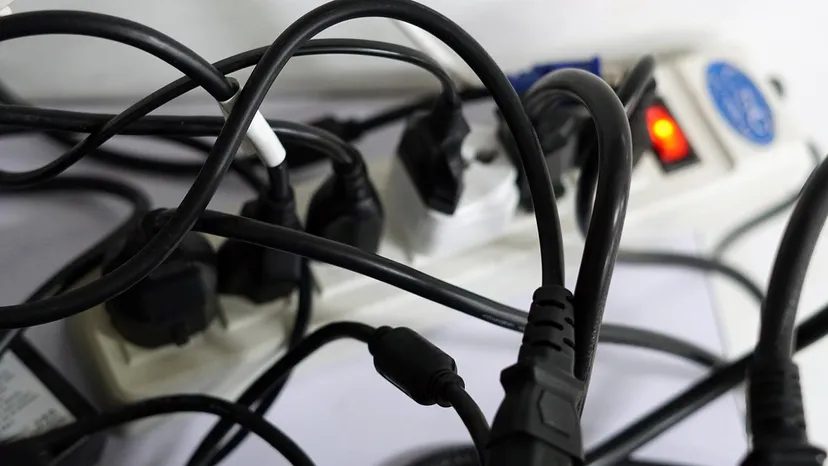
The modern home is essentially a minefield of expensive, fragile electronics. A power strip might save your PC or TV, but it leaves hardwired appliances exposed.
Why outlet protectors aren’t enough
Power strips are useful. They cover devices plugged directly into the wall. But they do nothing for built-in appliances. Your dishwasher, garbage disposal, and electric stove are hardwired into your home’s electrical grid. Without a whole-house surge protector, a lightning strike or grid fluctuation can fry these systems instantly.
Haas recommends a layered approach. Use a whole-house protector at your main panel. Then, supplement it with traditional outlet protectors for your sensitive gear.
Even with a protector at the circuit breaker box, voltage irregularities can still occur inside the house, so those additional power strips will smooth those out.
This dual-layer strategy casts the widest possible safety net. The whole-house unit handles massive surges before they enter your living space. The individual strips catch the smaller, residual spikes that slip through the main system.
The cost of protection
Here’s the good news. Whole-house protectors are surprisingly affordable. Many reliable devices cost less than $100. The real expense is labor. You will need an electrician to install the unit.
“Whole-home surge protection can vary from a few hundred dollars for your electrician to provide and install one, to over a thousand if you want the top products on the market,” Haas says. “All things considered, they’re one of the cheaper improvements you can make for your home’s electrical system.”
Compare that to replacing a smart TV, a high-end range, or a home server. The math is simple. A few hundred dollars now prevents thousands in damages later.
Understanding your home’s power
To understand why these surges happen, you need to look at how power flows into your house.
The 120-volt standard of U.S. power lines is actually more of a range of operation. Power outputs along the grid can vary anywhere from 110 to 169 volts of alternating current and still be considered within the standard.
That wide range means your electronics are constantly operating in a fluctuating environment. Normal variations happen. But sudden spikes? Those are the real killers.
Power-hungry appliances like dryers and heat pumps require their own dedicated 240V lines. They draw significantly more current. When a surge hits the main line, it doesn’t just affect your outlets. It stresses the entire infrastructure.
Your whole-house protector sits at the entry point. It diverts excess voltage to the ground. This keeps the surge from traveling further into your walls.
Does your current setup cover these hard