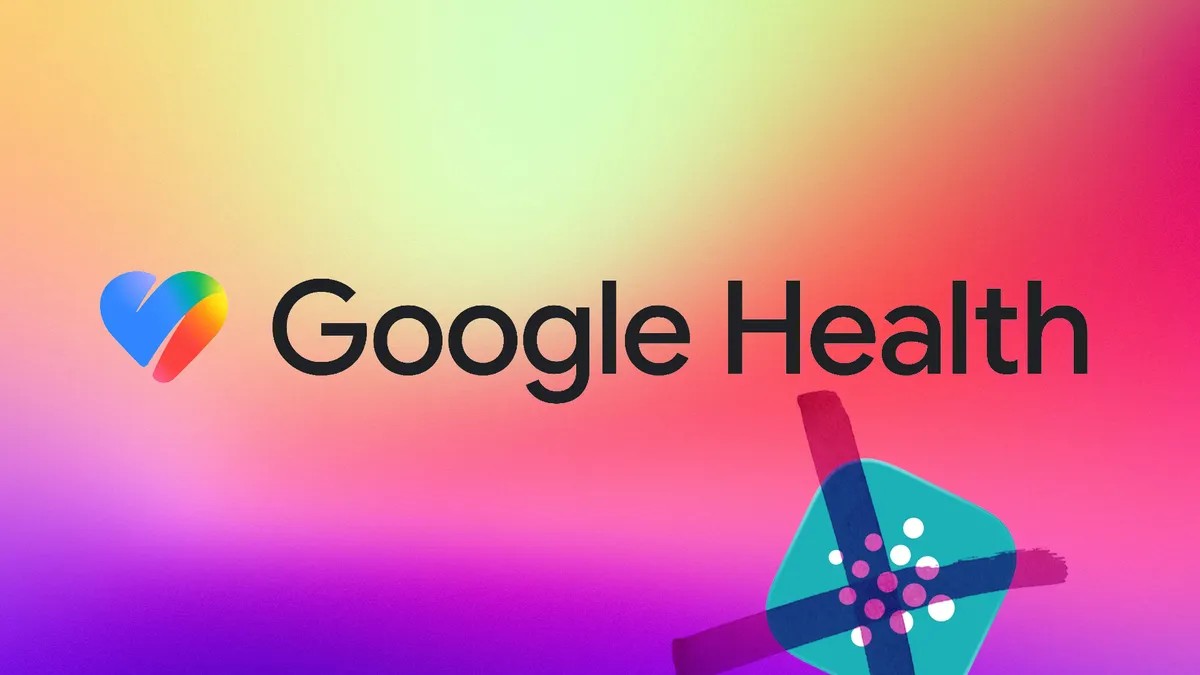
The era of the standalone Fitbit app is officially coming to an end. On May 19, Google will rebrand its long-standing fitness application as Google Health. This is not merely a cosmetic change; it marks a strategic shift toward creating a centralized ecosystem for all personal health data, merging consumer fitness metrics with clinical medical records.
For years, users have managed their health information across fragmented platforms—fitness trackers for steps, separate apps for nutrition, and portals for doctor visits. Google’s move aims to solve this fragmentation by integrating these disparate data points into a single, cohesive interface.
A New Structure for Health Data
The redesign addresses user feedback regarding the previous interface, which relied on three broad tabs: Today, Coach, and You. The new Google Health app introduces a more granular structure with four distinct sections:
- Today : Displays daily metrics and immediate health status.
- Fitness : Dedicated to workout logs, activity tracking, and exercise plans.
- Sleep : Focused exclusively on sleep quality, stages, and insights.
- Health : Houses medical records, including medications, lab results, and allergies.
This restructuring allows users to navigate specific health domains more efficiently. Crucially, the app is no longer tied strictly to wearable hardware. While it remains the hub for Fitbit devices and Google’s Pixel Watch, users can also utilize Google Health as a standalone journal for logging nutrition, menstrual cycles, and moods without any connected device.
Integrating Medical Records with Fitness Metrics
One of the most significant developments in this transition is the ability to store and view medical records alongside fitness data. Users can connect their provider’s member portals or verify their identity through Clear, a digital identity verification platform, to have medical records searched and imported automatically.
“By transitioning to the Google Health app, we are creating a unified destination for all your health data — whether from your Fitbit device or Pixel Watch, your favorite apps or your medical records.”
— Taylor Helgren, Director of Product Management at Google
This integration allows for a more holistic view of one’s health. For example, a user might correlate sleep disturbances with new medication side effects or track how specific dietary choices impact heart rate variability. However, this convenience raises important privacy considerations. While Google states that data is encrypted and not used for advertising, experts caution users about uploading sensitive medical documents to AI-driven platforms.
The Rise of the AI Health Coach
Central to the premium tier of Google Health is the Google Health Coach, powered by Google’s Gemini AI. Previously in public preview, this feature has now officially launched. It moves beyond simple step counting to offer personalized, evidence-based guidance.
Key capabilities of the AI coach include:
* Analyzing sleep patterns to offer improvement strategies.
* Generating fitness plans tailored to individual goals and real-time biometric data.
* Answering health-related questions based on uploaded medical records (for US users).
It is important to note that this tool is designed for guidance, not diagnosis. Google explicitly states that the AI coach is not intended to treat or diagnose medical conditions, serving instead as a companion to professional medical advice.
Improved Accuracy and Data Consolidation
Google has also enhanced the underlying technology driving its health insights. By leveraging advanced machine learning models validated against clinical gold standards, the new sleep tracking algorithms are 15% more accurate than previous versions. This improvement allows for more precise detection of sleep stage transitions, naps, and interruptions, resulting in a more realistic sleep score.
Furthermore, Google plans to consolidate its fitness offerings entirely under this new banner. Later this year, users of the Google Fit app will be prompted to migrate their data to Google Health, effectively retiring the standalone Google Fit application and unifying all activity tracking under one roof.
What This Means for Users
Seamless Transition
Existing Fitbit users do not need to download a new application. The transition will occur through a standard app update.
* iOS users can update immediately starting May 19.
* Android users will receive the update in waves between May 19 and May 26.
All historical data from the Fitbit app will automatically migrate to the new Google Health interface.
Pricing and Premium Features
The subscription model has seen a slight adjustment. Google Health Premium costs $10 per month or $100 per year, representing a $20 annual increase from the previous Fitbit Premium rate.
Premium subscribers gain access to:
* The AI-powered Health Coach.
* Detailed insights into medical records and sleep.
* A comprehensive library of workouts and mindfulness sessions.
Free users retain access to core tracking features, including steps, heart rate, blood oxygen levels, and basic sleep metrics. To incentivize early adoption, Google is offering a six-month Premium membership to anyone who purchases a new Fitbit or Pixel Watch device before May 18.
Conclusion
The rebranding of the Fitbit app to Google Health signals a broader industry trend: the convergence of consumer wellness and clinical healthcare data. By offering a unified platform that integrates wearables, third-party apps, and medical records, Google is positioning itself as a central player in personal health management. While the enhanced AI tools and improved data accuracy offer significant benefits, users must remain mindful of privacy implications and the limitations of AI in medical diagnostics.