


The MacBook Neo changed things.
When Apple dropped it at $499, it didn’t just shake up the budget market; it broke the rules. Great design, solid performance for a student, and a price tag that laughed at the competition.
It was always going to happen.
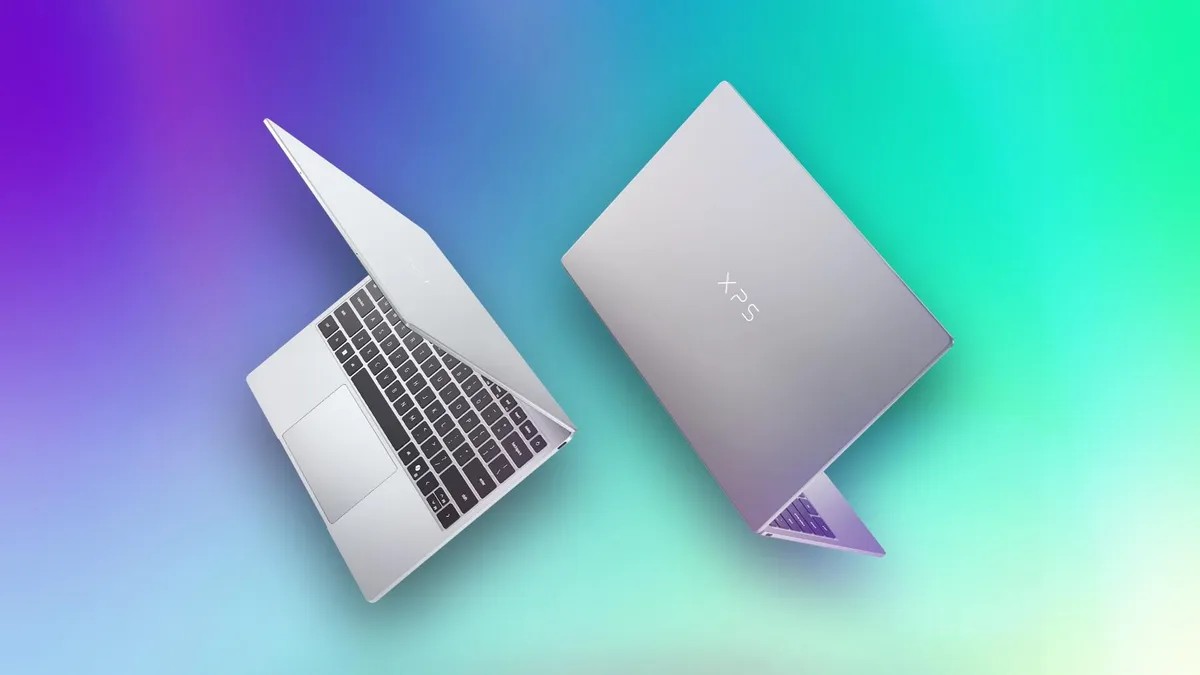
Windows vendors wouldn’t stand idly by. Dell just pulled the trigger with its new Dell XPS 13 entry-level model, aiming squarely at students who were about to pull the trigger on that Neo.
You don’t win against a MacBook by selling trash. You have to make it look like the Apple. Dell got it right here. The chassis is aluminum, sleek, and surprisingly light. At 2.2 pounds and 0.5 inches thick, it sheds half a pound compared to the MacBook Neo. That weight difference? You notice it when you’re lugging books around campus all day.
Is the $599 Dell XPS 13 Better Than the MacBook Neo?
Price isn’t the whole story. Or at least, it shouldn’t be.
The baseline MacBook Neo sits at $499 if you get the education discount. Dell’s base price for this new XPS 13 laptop for students starts at $699. But—here’s the catch—they offer a $100 student discount.
That brings the sticker down to $599.
Ten dollars more per month than the Neo over four years. But you’re paying for something. The screen alone changes the argument. The XPS 13 gives you a 13.4-inch 2.5K display. It supports touch. It runs up to 120 Hz refresh rates. The MacBook Neo? 60 Hz. No touch. It feels older just by specs.
Inside, it’s a fair fight on CPU.
Dell pairs that screen with a six-core Intel Core 5 processor, integrated Xe graphics, 8GB of RAM, and—here is where the Windows machine pulls ahead—512GB of storage. Apple only gives you 256GB on the base model. Do the math on how many assignments or projects fit before you panic-buy external drives. The step-up Dell model jumps to 16GB of RAM for $899, while the Neo stays capped unless you bleed money for upgrades.
Then there are the little things that actually matter during finals week.
“Without an IR webcam or fingerprint scanner, [the Neo] has a distinct lack of biometrics.”
Facial login works on the Dell. You wake the screen with your face. No fumbling for keys. No typing passwords while half-asleep at 3 AM. The Neo lacks both Windows Hello facial recognition and a fingerprint scanner entirely. It’s an annoyance you’ll feel daily.
Sound? Dell wins there too. Four speakers on the XPS 13 versus two stereo speakers on the Neo. Connectivity is newer on the Windows side (Wi-Fi 7 beats Wi-Fi 6E), and Dell included backlit keys for those dark dorm room cram sessions. The Neo doesn’t have a keyboard backlight. Look. In the dark. If you want.
Battery Life and Colors: The Neo Fights Back
Don’t sleep on the MacBook yet. It still has two cards up its sleeve. Color and simplicity.
Apple offers three cheerful hues plus silver. The Dell XPS 3 student laptop comes in “sky” and “storm.” Beautiful names. Ugly reality? Photos show them looking like slight variations of gray or silver. If personal expression matters, Apple still wins.
Battery claims are shaky from both sides, though Dell sounds aggressive.
They promise “up to 17 hours of streaming.” If true, that crushes the Neo’s ~13.5 hours. Intel’s newer Core Series 3 chips have been surprisingly efficient, so the claim isn’t crazy. But 17 hours? Let’s be skeptical. Even 15 would be a solid day for a student.
Who Actually Qualifies for the Discount?
The clock is ticking.
The $599 price point is active now until November 2. It’s not a universal promo.
It’s strict.
- College students: Yes.
- High schoolers: Yes, if they are 16 or older.
- High school freshmen (typically 14-15): Sorry. You don’t make the cut.
Basically, if you are a sophomore in high school or higher, you can lock this in. It’s a targeted hit.
Dell plans to expand the lineup later this summer with Core Ultra 7 chips, 32GB RAM, and 1TB drives, but those price tags are unknown. For now, the battlefield is this specific price bracket.
Is the $100 extra cost worth 25% more storage, a better screen, face login, and lighter weight?
For some, absolutely.
For others, the Neo remains the simpler choice.
Which one feels better in your hand?
That’s the question Dell is banking on you answering at the checkout page.


