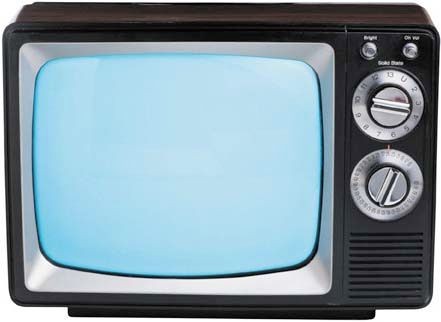
Television is more than just a box in the living room. It is an electronic system designed to send moving images and sound to a receiver. That receiver projects the picture onto a screen and plays back the audio. The roots of this technology go back to the early 20th century. Engineers spent the years between 1900 and 1920 developing cathode-ray tubes. They also figured out how to amplify electronic signals. These pieces became the foundation for how we watch TV today.
The First All-Electronic Systems
By the 1930s, the theory of electronic scanning was fully formed. This allowed for a complete shift away from mechanical systems. In 1932, the Radio Corporation of America (RCA) demonstrated the first all-electronic television. This was a major leap. It proved that images could be transmitted and received without moving parts. The technology relied on the picture tube to create the view we see on screen.
Decades of Innovation
The industry did not stop there. The late 1940s saw the introduction of cable TV systems. This changed how people accessed content. Before this, you were limited to what was broadcast over the air. Cable expanded those options significantly. The 1950s brought color television. This added a new layer of realism to broadcasts.
Recording and playback technology arrived later. The 1980s introduced the Video Cassette Recorder (VCR). This allowed viewers to record shows and watch them at a different time. It gave people control over their viewing schedules. This was a significant change in consumer behavior.
The Digital High-Definition Era
The 1990s marked another major shift. Digital high-definition television (HDTV) systems became the standard. These systems provide sharper images and clearer sound. Interference is minimal. The picture quality is clean compared to older analog signals.
There is more to HDTV than just better resolution. These systems have the potential to merge television functions with computer capabilities. The line between a TV and a computer is blurring. You can now access the internet from your set. You can stream content directly. This convergence changes how we consume media.
Why This Matters Today
We often take the technology for granted. But the journey from cathode rays to digital streams is complex. Each step solved a specific problem. Signal clarity. Color accuracy. Recording capability. Now we face new challenges. Streaming services compete for attention. Smart TVs try to become hubs for our digital lives.
The core function remains the same though. We want to see and hear things remotely. The method has changed. The delivery has become faster and clearer. But the desire to connect with a screen is unchanged.
This evolution continues. New formats emerge. New devices appear. The question is not if the technology will change. It is how we will adapt to it. The screen in your home is just the beginning.