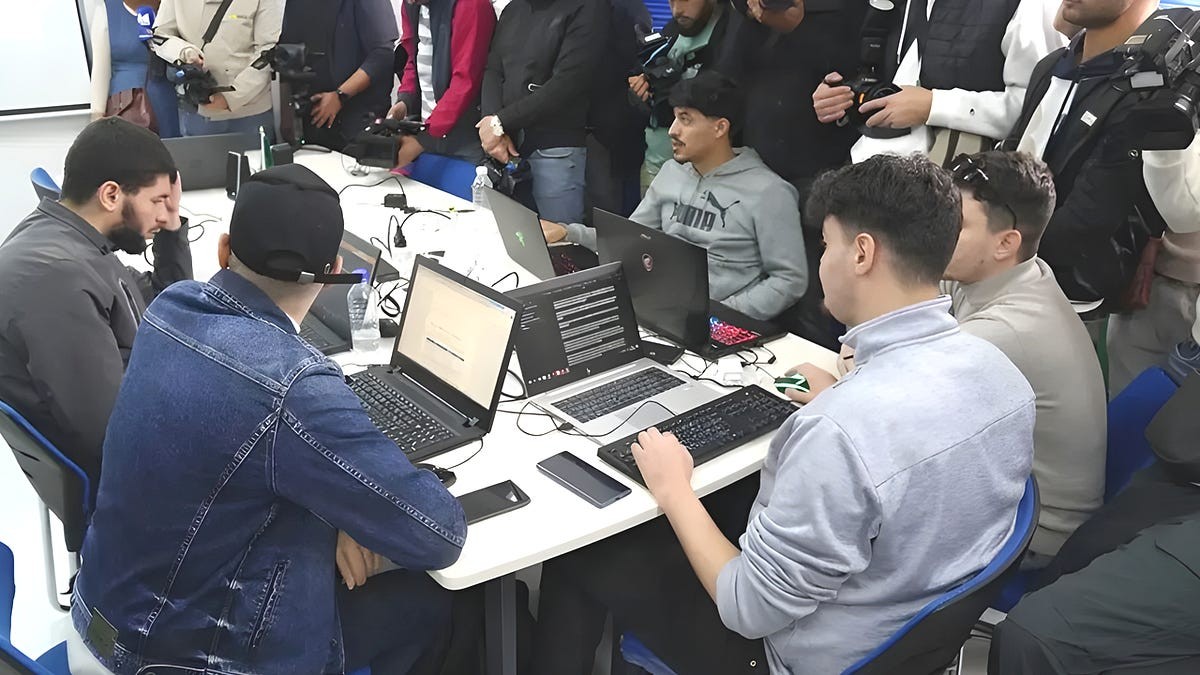
Algeria has officially inaugurated a National Training Programme in Artificial Intelligence, marking a significant step in the country’s mission to modernize its workforce and strengthen its technological sovereignty. The initiative, hosted at the National Specialized Institute for Vocational Training in Sidi Abdallah, is a collaborative effort between the Ministry of Vocational Training and Education and the Ministry of Knowledge Economy, Startups, and Micro-Enterprises.
A Practical Approach to High-Tech Training
Unlike traditional academic courses, this programme is designed to bridge the gap between theoretical knowledge and industrial application. The curriculum follows a rigorous 12-week structure :
- 8 Weeks of Intensive Training: Focused on mastering the latest AI tools and models.
- 4 Weeks of Applied Project Work: Participants work directly with startups to solve real-world problems.
To ensure long-term sustainability, a “train-the-trainers” phase was launched in mid-January 2026, ensuring that instructors are equipped with the most current methodologies before the full student rollout. Notably, the curriculum was co-designed with members of the Algerian diaspora, a strategic move intended to repatriate global expertise back into the domestic ecosystem.
Strategic Goals: From Education to GDP Growth
This programme is not an isolated event but a core component of Algeria’s broader digital transformation strategy. The government has set ambitious benchmarks for the coming years:
- Workforce Development: A target to train 500,000 ICT specialists.
- Economic Impact: Aiming for the ICT sector to contribute approximately 7% of the national GDP by 2027.
- Entrepreneurship: The program is linked to a newly launched business incubator, designed to turn trained specialists into founders of new technology ventures.
This push follows the recent opening of Algeria’s first startup cluster dedicated specifically to AI and cybersecurity at the Abdelhafid Ihaddaden Scientific and Technology Hub.
The Challenge of Talent Retention
While the programme addresses skill gaps, it also tackles a much larger socio-economic challenge: “brain drain.”
Algeria possesses a formidable scientific foundation. Currently, over 57,000 students are studying computer science across the country, supported by 74 specialized Master’s programs in AI. Furthermore, Algerian researchers are globally recognized, with many ranking in the top 2% of scientists worldwide and contributing to a scientific publication volume that places the country in the top five in Africa.
The central question for policymakers is no longer whether Algeria can produce talent, but whether it can retain it. By creating a robust domestic ecosystem of startups, incubators, and high-tech clusters, the government is attempting to provide the professional infrastructure necessary to keep its brightest minds within the country.
The success of this initiative will depend on whether Algeria can successfully transform its high volume of academic talent into a stable, high-value workforce that drives domestic innovation rather than fueling international migration.
Conclusion
By integrating practical startup challenges into its national curriculum, Algeria is attempting to turn its vast pool of computer science students into a professional engine for economic growth. This initiative represents a critical attempt to link education directly to the nation’s 2027 digital and economic ambitions.