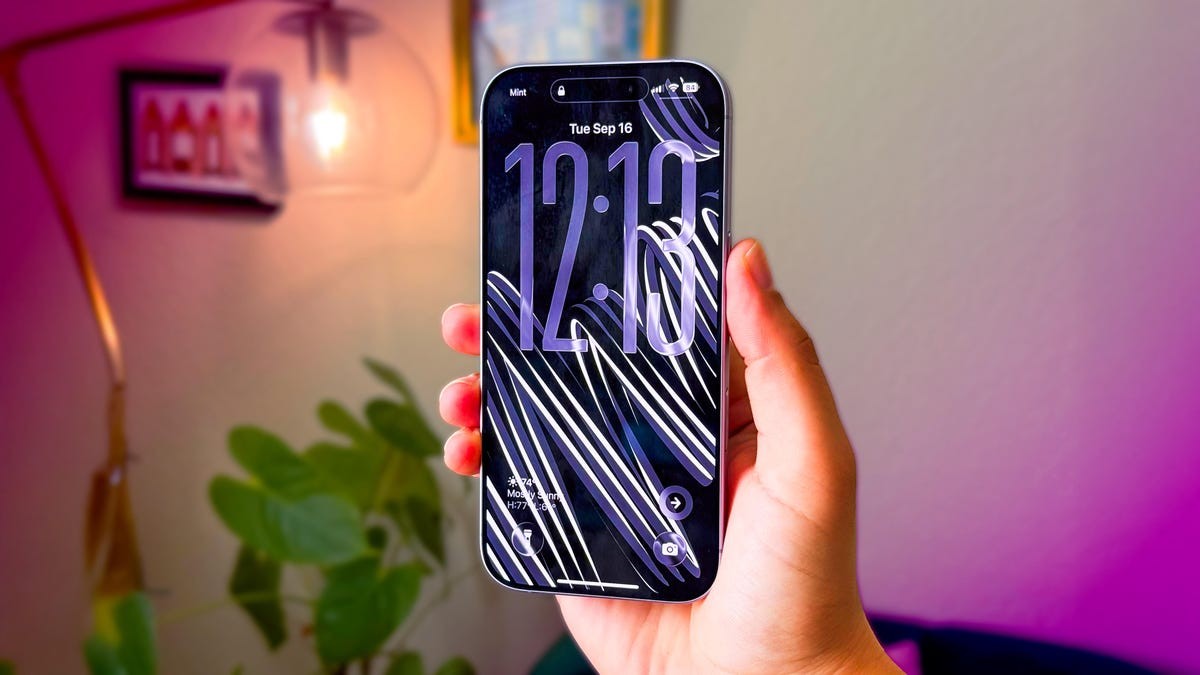
Apple’s latest lineup has secured the top spot in global smartphone sales for the first quarter of 2026, according to new data from analytics firm Counterpoint Research. The iPhone 17, iPhone 17 Pro, and iPhone 17 Pro Max collectively claimed the three highest-selling positions worldwide, reinforcing Apple’s stronghold on the premium market segment.
The Sales Landscape: Apple’s Premium Grip vs. Samsung’s Volume Play
While Apple dominates the upper echelons of the market, Samsung maintains a significant presence through its budget-friendly Galaxy A series. The base model iPhone 17 alone captured 6% of global sales, a testament to its widespread appeal. However, the broader top 10 list is a mix of premium flagships and entry-level devices:
- Apple holds three spots with its iPhone 17 trio.
- Samsung occupies five positions, primarily driven by its Galaxy A series.
- Xiaomi is the only other manufacturer represented, with the Redmi A5 securing a single spot.
The competition at the lower end is fierce. Samsung’s Galaxy A07 4G, its lowest-priced device in select regions, and the more globally available Galaxy A17 5G took fourth and fifth place, respectively. This highlights a clear market bifurcation: consumers are either investing in Apple’s premium ecosystem or opting for affordable Android alternatives, with the mid-range market seeing less traction in the top rankings.
Why Samsung’s Budget Strategy Matters
Samsung’s success in the budget sector is not just about low prices; it is about value perception. The Galaxy A07 saw particularly strong performance in emerging markets like Africa, the Middle East, and Latin America. A key driver for this adoption is Samsung’s commitment to providing six years of software and security updates even for its lowest-cost phones.
The $200 Galaxy A17 5G, available in the US, offers the same long-term support, positioning it as the most affordable Galaxy phone in most regions. This strategy addresses a growing consumer demand for device longevity and security, even in the budget segment, allowing Samsung to compete effectively against Apple’s brand loyalty by offering better long-term value for price-sensitive buyers.
The Shadow of Component Shortages
Beneath the sales figures lies a challenging economic reality for Android manufacturers. Counterpoint Research notes that rising component costs, particularly an ongoing RAM shortage, are putting significant pressure on phone makers. This has led to unexpected price increases across the industry:
- Samsung raised prices on variants of the Galaxy Z Fold 7 nine months after its release.
- Motorola implemented $100 to $200 price hikes on its new Razr line.
Interestingly, Samsung’s flagship Galaxy S26 Ultra, priced at $1,300, narrowly missed the top 10 list despite selling better than its predecessor, the S25 Ultra. This suggests that while premium Android phones are gaining ground, they still struggle to match the sheer volume of Apple’s sales and the affordability of Samsung’s budget lineup.
Conclusion
The first quarter of 2026 reveals a market increasingly defined by polarization: Apple dominates premium sales, while Samsung leverages long-term software support to capture budget-conscious consumers. Meanwhile, rising component costs are forcing Android manufacturers to raise prices, potentially widening the gap between premium and budget offerings. As the year progresses, the upcoming Galaxy A57 and A37 may shift these dynamics, but for now, Apple’s iPhone 17 series remains the undisputed leader in global sales.