Tesla has officially moved into the production phase for its highly anticipated Cybercab, marking a significant milestone in Elon Musk’s vision for autonomous transportation. Following a series of social media updates, the company has begun manufacturing the specialized vehicle at its Giga Texas facility in Austin.
From Vision to Assembly Line
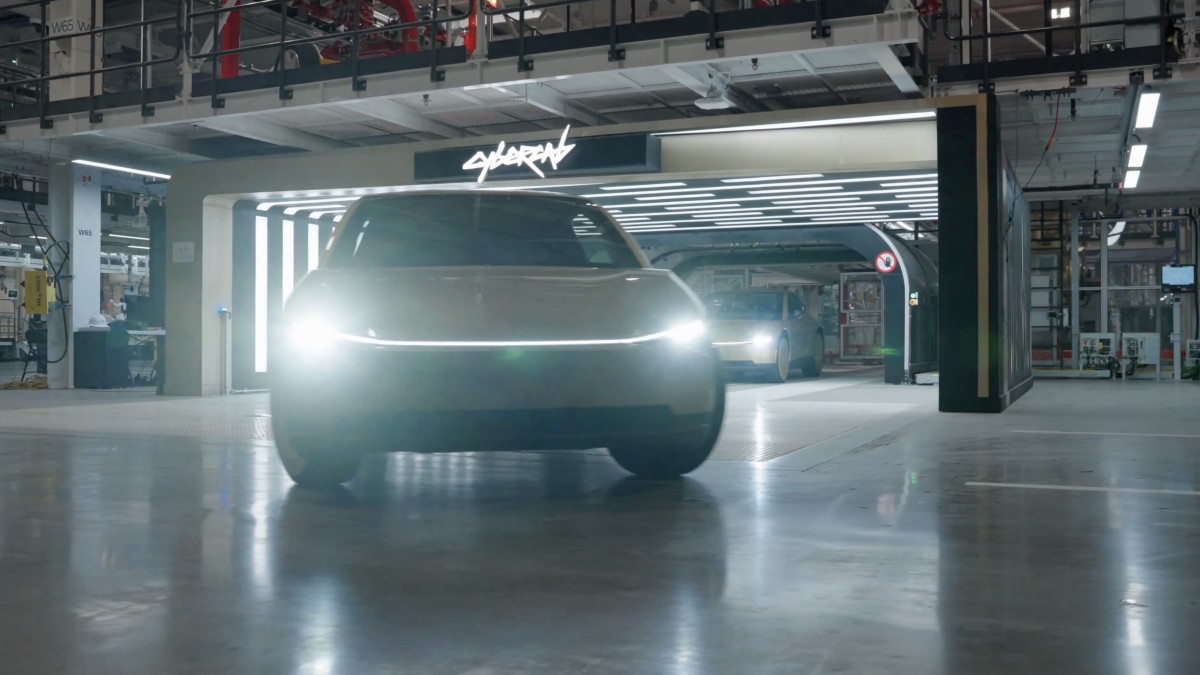
The announcement was made via X (formerly Twitter) by Elon Musk, accompanied by stylized footage of vehicles moving through the production line. This development follows a timeline of shifting expectations:
– Initial Milestones: The first Cybercab prototype rolled off the line on February 18.
– Revised Timelines: During the Q4 2025 earnings call, Tesla accelerated its production targets, aiming for 2026.
– Current Outlook: In the Q1 2026 earnings call, the company expressed confidence in reaching volume production for both the Cybercab and the Tesla Semi within the current year.
While Musk previously projected a massive production capacity of 2 million units annually (roughly 38,000 vehicles per week), industry analysts note that early-stage output will likely be much lower, potentially in the hundreds per week, as the company scales up.
Clearing the Confusion: Cybercab vs. Robotaxi
There is currently significant overlap in how Tesla refers to its autonomous fleet, leading to confusion regarding what is actually on the road today versus what is being manufactured.
The Current Fleet: Robotaxis
Tesla’s existing autonomous service, which launched in Austin in 2025, utilizes modified Model Y vehicles. These “Robotaxis” serve as a bridge to full autonomy:
– They are black-colored vehicles.
– They retain steering wheels and pedals.
– They operate with human safety monitors present during trips.
– They are currently competing directly with services like Waymo and Uber.
The Future Fleet: Cybercabs
The Cybercab represents the next evolutionary step in Tesla’s autonomous strategy. Unlike the current Robotaxi fleet, the Cybercab is designed to be a dedicated autonomous machine:
– No manual controls: It features no steering wheel or pedals, relying entirely on large digital screens.
– Unique design: The vehicle features a distinctive aesthetic, including “butterfly wing” doors.
– The Goal: Tesla intends for the Cybercab to eventually replace the Model Y fleet, becoming the primary vehicle in their rideshare ecosystem.
Challenges and Regulatory Hurdles
Despite the excitement of entering production, Tesla faces two major hurdles before the Cybercab can achieve widespread commercial success:
- Regulatory Approval: Because the Cybercab is designed without traditional controls (steering wheels/pedals), it must undergo rigorous safety testing and receive government authorization before it can operate without human monitors.
- Production Scaling: Tesla has a documented history of production delays. Transitioning from low-volume manufacturing to the massive scale required to hit Musk’s long-term targets remains a significant technical and logistical challenge.
“Once in production, we expect that Cybercab will begin to replace the existing Model Y fleet and will be the largest volume vehicle in the fleet over time.” — Tesla Q1 2026 Earnings Call
Conclusion
Tesla has successfully transitioned the Cybercab from a concept to a manufactured product, signaling a shift toward a driverless-only fleet. However, the ultimate success of this transition depends on the company’s ability to scale production and navigate complex regulatory landscapes.