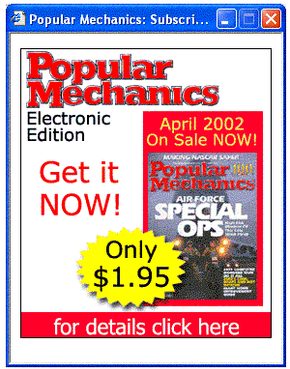
You click a link. You expect content. Instead, a new window slams into view. It blocks the text. It demands attention. That’s a pop-up ad. It’s the digital equivalent of someone standing in front of your TV to read a pamphlet. Annoying. Obvious. Easy to hate.
Then there’s the other guy. The quiet one. The pop-under ad.
It doesn’t interrupt your scroll. It doesn’t steal your focus. It opens a new tab or window and hides it behind the one you’re currently using. You don’t see it happen. Not until you close your current tab. Then it jumps to the front. Bam. There it is.
Why does this distinction matter? Because one triggers immediate rage. The other triggers confusion.
How pop-up vs pop-under ads actually work
The mechanism is nearly identical. Both rely on JavaScript or similar scripts triggered by your interaction with a page. A click. A hover. A page load. The script fires. The browser opens a new instance.
The difference is the z-index. Or rather, the visual stacking order.
Pop-up ads force their window to the foreground. They demand you close them before you can read the article you clicked for. Ad blockers love to hate these. They’re easy to spot. They’re easy to block. Users get angry. They install extensions to kill them.
Pop-under ads slip into the background. They live in the shadows of your browser’s tab bar. You might not even notice the extra tab. You keep reading. You finish your task. You close the main tab. The pop-under reveals itself.
“They are less intrusive, but they are still intrusive.”
That’s the trap. They feel polite. They don’t scream. But they still serve an ad. They still load a third-party domain. They still consume your bandwidth. And they still try to sell you something you didn’t ask for.
Why pop-unders are harder to catch
Which one is worse? Arguably the pop-under.
Pop-ups are loud. You know they’re there. You close them. You move on. Pop-unders hide. They exploit the assumption that your browser is under your control. It’s not. The advertiser has already placed a foot in the door.
This matters for privacy too. Pop-unders often trigger on exit intent or specific mouse movements. They are tracking you. They are logging your behavior. The fact that you didn’t see the window open doesn’t mean the data wasn’t collected.
If you’re trying to understand how to identify pop-under ads, look at your tab bar. Count the tabs. If you opened one page but see two open, you’ve been served a pop-under. Close the unexpected one. Don’t engage. Don’t click the “close” button inside the ad window—that often just opens another one. Close the tab itself.
The user experience cost
We tolerate bad design. We tolerate slow loaders. But we hate deception. Pop-ups are blunt force. Pop-unders are stealth. Both degrade the experience. Both make the web feel less like a place to find information and more like a maze of traps.
Ad blockers handle pop-ups well. They struggle with pop-unders because the window
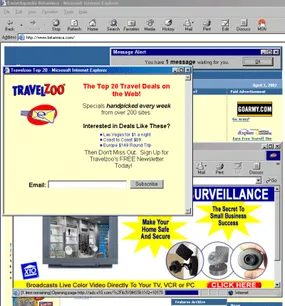

The annoying efficiency of pop-ups
There is a reason pop-ups still exist. They are annoying. Truly. They clutter your screen. They demand attention. You have to close them. It takes time. It is frustrating.
But advertisers love them.
Why? Because people actually click. Banner ads get ignored. You develop banner blindness. Your brain filters them out like background noise. A banner might get two to five clicks per 1,000 views. That is a dismal return on investment.
Pop-ups are different. They force a reaction. A pop-up can average 30 clicks for that same 1,000 impressions. That is a massive jump. It turns passive viewing into active engagement.
Advertisers pay for results, not just views.
Since pop-ups drive more clicks, they generate more revenue. Publishers know this. They charge more for the privilege of hosting them. A pop-up ad typically pays a website four to 10 times more than a standard banner.
That math explains the persistence. It is not that websites want to annoy you. It is that they want to pay their servers. The high payout makes the user frustration worth it for the site owner.
You see so many pop-ups because the money is there. It is a harsh trade-off. Your patience for their profit.
Is it fair? Maybe not. But it is effective. And in the attention economy, effectiveness buys silence.