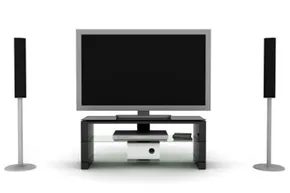
For decades, the only real way to see a blockbuster was to sit in a dark room with hundreds of strangers. VCRs changed the game by letting us rent tapes and play them at home. It was convenient. But let’s be honest. The picture was soft. The sound was tinny. And those widescreen movies? They were either letterboxed with huge black bars or chopped off at the edges. You lost the director’s intent just to fit it on a small CRT box.
Now, the living room has stolen the spotlight.
People are transforming their den and family rooms into home theater systems. It used to require a projector, a lift for the screen, and a budget that required a second mortgage. Most homeowners couldn’t swing it. But the tech landscape shifted. Screens got bigger. Sound got immersive. Setup got simpler.
Today, you can get an experience that rivals the cinema. Maybe even beats it. No crying babies. No kicking seats. Just you, your snacks, and a picture that fills your vision.
But walking into a store is overwhelming. There are too many choices. Too many acronyms. If you want to build a proper setup, you need to know what the pieces do before you buy them.
Here is what you are actually buying.
The Display: Where It All Happens
The screen is the centerpiece. You have two main paths here.
Large-format TVs have evolved. They are thin. They are bright. They connect to everything via HDMI. You don’t need to dim the lights as much as you would with a projector. Contrast ratios are insane with OLED panels. Colors pop. Blacks are true black.
Projectors still have a place. If you want a 100-inch image, a projector is cheaper per inch than a TV that size. But you need to control the light. A projector in a sunlit room is a washout. It needs a dedicated space. Or blackout curtains. And a quiet room, because the lamp fans can hum.
Which one should you choose?
If you watch a lot of daytime TV and sports, go with the TV. If you want that cinematic immersion for weekend movie nights and can control the lighting, the projector wins.
The Sound: Why You Need More Than Speakers
TV speakers are an afterthought. They are flat. They sit below the screen. They push sound forward instead of around you.
A real home theater needs surround sound. Not just stereo left and right. We are talking about discrete channels.
You need a receiver. This is the brain. It takes the audio signal, decodes it, and sends the right parts to the right speakers. Look for support for modern formats like Dolby Atmos or DTS:X. These add height channels. Sound comes from above. It makes a plane flying overhead sound like it’s actually flying overhead.
The standard setup is 5.1.
– Five speakers.
– One subwoofer (the “.1”).
Front left. Front right. Center. Surround left. Surround right. The center channel handles dialogue. This is critical. If your dialogue is muddy, you will turn up the volume, drown out the music, and miss the plot. A dedicated center channel keeps voices clear.
For a fuller experience, move to