India Herdman says it. Loudly. To the D.C. City Council. She is Tesla’s senior policy adviser and she announced Monday that Tesla is developing an autonomous vehicle people with wheelchairs can actually get into. No timetable. No production dates. Just the claim that work is happening in Texas, right near Tesla’s headquarters. Wired reported the details, which basically means: stay tuned, but don’t hold your breath.
Think about that. For a second.
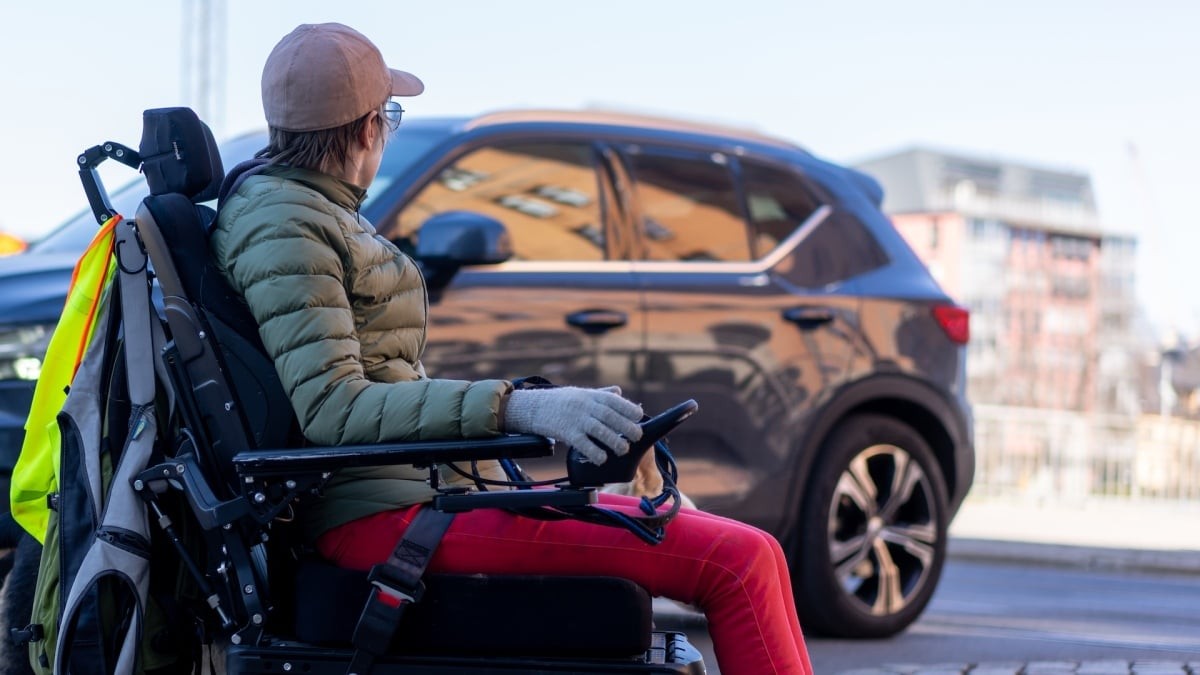
Currently? Nobody is doing this. Waymo, the actual industry leader in self-driving cars, has no wheelchair-accessible autonomous option either. Matt Walsh, who runs Waymo’s state and local policy stuff, admitted this same week. They want to do it. They are trying. But fitting their specific tech onto a chassis that fully accommodates a wheelchair without compromising safety or specs is, apparently, a nightmare.
“Identifying a platform that is fully wheelchair-accessible is a challenge.” — Matt Walsh
Waymo’s new car, the Ojai. It’s got grab bars. The floor is lower than the Jaguar I-Paces they usually deploy. It feels better inside. But you cannot roll your chair into it. Simple as that.
Right now, if you need to roll into a robotaxi, you can’t. You need a human driver. You use Uber or Lyft. Which isn’t exactly a triumph of accessibility innovation when you consider Uber is currently fighting a Justice Department lawsuit. The DOJ thinks they’re violating the ADA by ignoring disabled riders.
Why does this matter for Tesla? Because if they actually pull it off? It’s a win. A huge one. Tesla isn’t leading the autonomous race. Not really. Waymo is already buzzing around San Francisco, Atlanta, Houston, Miami, Los Angeles, and Phoenix. Tesla? They’re barely hanging on in Houston, Dallas, and Austin with their Cybercabs. Being the first to make AVs wheelchair-friendly would steal some serious headlines from Google.
Tesla wants you to believe they care. Their website is full of warm, inclusive language.
“Building an autonomous future accessible to all. Robotaxi vehicles support service animals… and room for some wheelchairs.”
“Room for some.” Notice that? They didn’t say they’re redesigning the doors for ramps. They didn’t promise a full ingress/egress system. They’re promising storage.
It’s a start? Maybe. It’s enough? Probably not. The tech exists to move people automatically. Making those pods actually usable for everyone who can’t walk yet? That part remains stubbornly analog. And frustratingly slow.
So here we wait. For the Texas lab. For the prototype. For the moment a wheelchair user might just hop into a silent electric pod without needing a stranger to lift them. Will it happen this year? Doubtful. Next year?
We’ll see. 🦽🚗