It’s supposed to be magic. Wearable computing. No phone staring. Just light weight on your face. Science fiction dreams come true, at least in the minds of tech folks who still believe in it.
Reality hasn’t cooperated. For ten years this industry has been a black hole. Money in. Nothing out. Just vapor and failed prototypes.
“Everybody’s losing money.” Chi Xu said that last week in Mountain View. He runs Xreal, one of Google’s partners, and he wasn’t complaining. He was stating facts. Hard ones.
It is incredibly difficult, he said.
We knew the problems. We saw them coming. The frames were heavy. They looked awkward on your head. The software was useless, barely there. Bulky hardware paired with thin apps. A recipe for disaster.
Now things look different. Meta proved something in 2023. Their Ray-Ban partnership sold units. Actual humans bought them. Reality Labs still loses cash, a mountain of it, but the hardware finally clicked with consumers. It’s a signal. An inflection point, maybe.
Xu thinks Xreal is ready. Not just for another try. But to lead.
You need the pieces ready. The hardware. The OS. The interface.
All of them have to work at once.
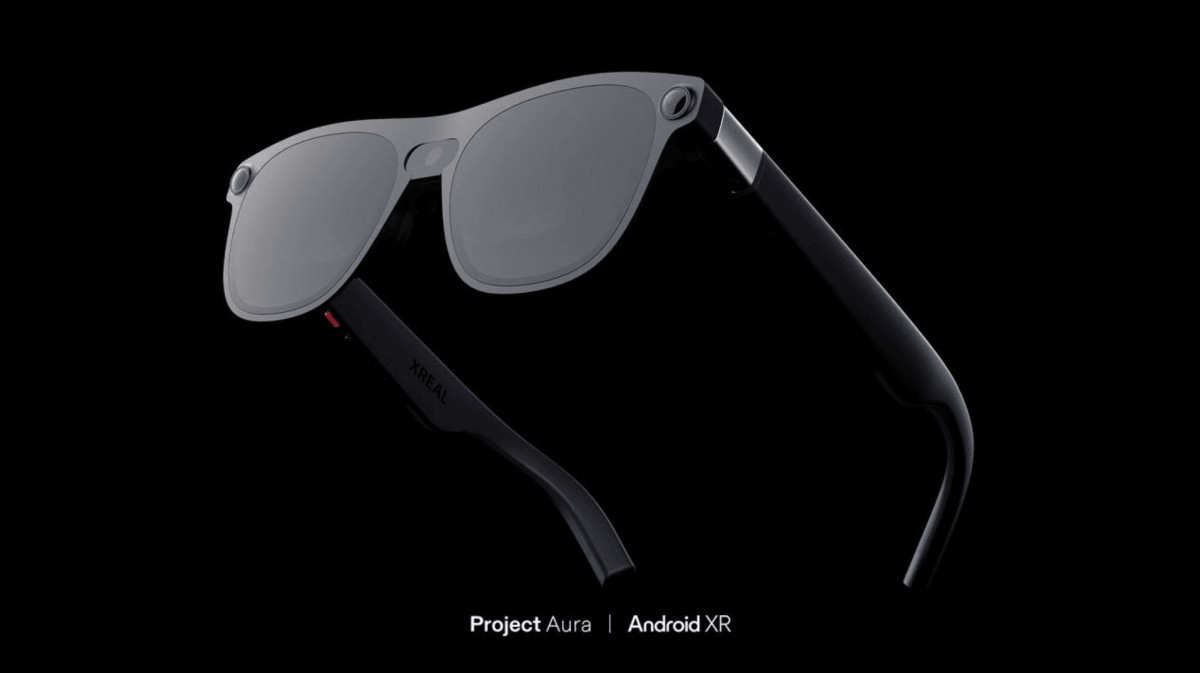
Meet the Project Aura. It’s wired. You wear glasses with OLED screens embedded in the frames. You see video, right there, in front of your eyes. High res. But it’s not standalone. It needs power. It needs a “puck”. Think of it as a tiny computer, shaped like a phone, that you strap to the glasses and drop in your pocket.
Is it elegant? No. It’s awkward. The tether hangs there.
But the puck buys you capability. Much of it.
Hand tracking lets you paint holograms only you can see. You can walk with a floating map on Google Maps. You can watch VR YouTube. Games are coming, playable without a controller. Even web browsing.
Cook with a recipe floating in the air? Yes. Work in a private virtual screen at a cafe? Maybe.
Xu sees more than movie watching. He sees professionals. Remote work on planes. Private screens in public spaces. The NBA game in a holographic box? Sure. But also the spreadsheet. The email. The distraction-free zone.
They’re not selling yet. Only developers have the glasses right now. The commercial launch is later this year. Wait.
There is talk of an IPO. Before 2026, perhaps. Xu wouldn’t comment on the timing, or the price, or the risk. Standard dance.
But money is still king. The glasses need to sell enough to cover the lights.
Xreal is tweaking the numbers. Higher gross margins. Less spent on ads and sales teams. Slower, leaner.
“Next year is the year,” Xu said. Break even. Finally.
The dream is old. The money is fresh. The tech is there. Whether we want to wear it all day, every day, remains to be seen.
The frames are waiting.