At Google I/O last year we called it. Search as you knew it for twenty years was gone.
Now, a year later? Still gone.
Not dead. Gone.
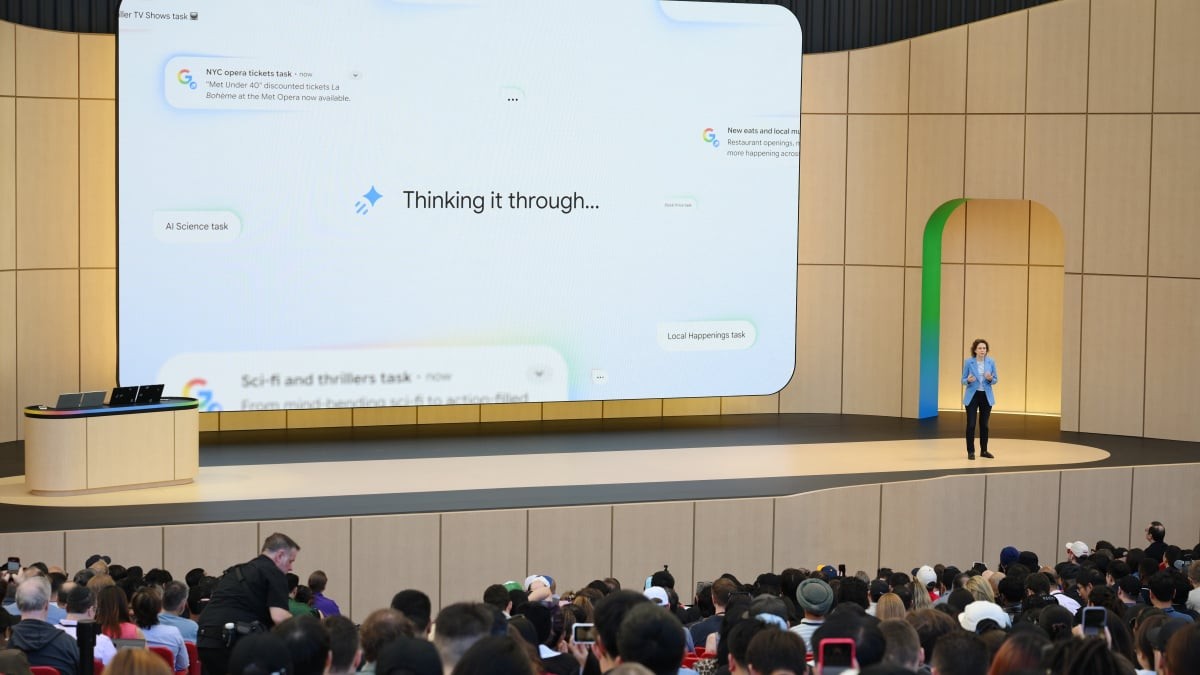
Google made that undeniable at I/O 2025 (or maybe it’s 2026 in some timelines). The message was clear. Search isn’t a directory anymore. It is an engine powered by Gemini and artificial intelligence. The link list is dead. The bot is here to take over.
Search is no longer a place to find a link. It is a place to hire a robot to do the work.
The Traffic Apocalypse
Here is the rub for publishers. AI Overviews are eating their lunch. And Google is bringing the fork.
Since those AI snippets launched web traffic has dipped. This year’s announcements just accelerate the drop. The promise of new agents is simple. Let them scan the web for you 24/7. Let AI Mode answer follow-ups. Let the search bar accept whole paragraphs.
You don’t need to click.
If you don’t click, publishers starve.
Google takes the question. Google gives the answer. The writer who actually wrote the article? They get zero. Zero traffic. Zero revenue.
This has been called the “traffic apocalypse” since last year. Google argues that when people do click, they stick around longer. Fair point.
But fewer people are clicking at all does the math on that argument quickly.
Take Neil Vogel, CEO of DotDash Meredith (People, Southern Living). He told the Wall Street Journal that in 2021, Google drove 60 percent of his traffic. By June 2025 it was down to a third.
And based on this week? The bottom hasn’t even been found.
So publishers are scrambling. Newsletters. Apps. Paid subscriptions. They want to bypass Google entirely.
Smart move? Yes. Painful restructuring? Also yes.
Stop Typing. Start Talking.
The search box has changed. It’s the first major redesign in 25 years.
It looks bigger. It acts smarter.
You can dump images, files, videos, Chrome tabs. Paste a long, messy thought. Tell it what’s going on.
Used to be? We compressed. SEO was built on tiny, sharp fragments. “Flights NYC LA.” “Strep symptoms.”
Now? Google hates fragments. It wants conversation. It wants your calendar. It wants that photo of the hotel you liked.
More context means better AI.
It also means more data for Google.
Remember when Google spent $68 million to settle a lawsuit over the Assistant recording private talks?
Now it is asking for everything. Your plans. Your trips. Your photos.
Do we trust it?
The keynote didn’t say.
The Lies Keep Coming
There is one problem with letting AI do everything. It lies.
And it does so confidently.
Google showed off pretty features. They skipped the part where Gemini gets things wrong. AI Overviews already have a bad track record for hallucinations. The new conversational features just let you drill down into a summary without checking if the foundation is real.
Blake Barnes from Gmail admitted that Live needs sources. So users can check. Good for an inbox.
Bad for the rest of the web.
When an AI summarizes the internet, who fact-checks? You. The user.
Google is handing that burden to us.
Then there are the agents.
Spark manages your life in the background. Search agents monitor deals. AI calls businesses. It buys things. It books hotels.
This isn’t just a search engine. This is AGI-adjacent infrastructure.
Demis Hassabis said Gemini Omni is a step toward Artificial General Intelligence. He said it while showing a video demo.
Casual framing for a terrifying reality.
So what stops it from messing up your life?
The Agent Payments Protocol. Limits. Admin controls.
Josh from Google Labs compared it to giving a teen a debit card.
Honest? Yes. Reassuring? Debatable.
It admits the trajectory. More autonomy.
The guardrails are temporary.
Right now if Gemini hallucinates you might think the sky is purple. Annoying.
In six months? If it buys the wrong insurance. If it books the wrong flight. If it monitors the wrong thing.
The stakes aren’t low. They are high.
Google didn’t talk about the cost of being wrong.
They should.