The old story is simple. You book a stranger’s couch. A bed, maybe a kitchen sink. No bellhop. That was the deal. Now? Hotels are moving in.
Airbnb isn’t just fixing a leaky faucet in a host’s loft anymore. They’re testing hotel listings. Actually adding them to the search filters. It started a few months ago. Now it’s real. You’ll find boutique stays in New York. Paris. London. Rome. Even Singapore. Twenty cities to start.
Here is how it works. Search for one night. Two nights. Max. The app pops up with hotel suggestions. No need to switch tabs. No extra clicking. You just get results. Airbnb promises a price match too. Find it cheaper elsewhere? They’ll refund the difference as credits.
Jud Coplan, their VP of marketing, sees this clearly.
“There are a few examples of the types trips for which a hotel is probably more suitable.”
Last-minute plans. Business trips. Those quick urban stops. Plus, there’s a regulatory angle. Cities like NYC and Singapore ban short-term rentals. Hotels bypass those rules. Suddenly Airbnb can sell rooms where they legally couldn’t before. Smart. A bit cynical perhaps, but smart.
This is only the lodging piece though. They want the whole trip. Last year they added experiences. Grocery delivery. Airport pickups. Summer brings luggage storage at 15,00+ spots. Car rentals join the club this summer too. It’s convergence. Uber books hotels now. Airbnb rents cars. The line between ride-hailing and vacation planning is gone. Everyone wants that single app. The one that holds your entire itinerary.
Local guides are coming too. Three thousand landmarks get the VIP treatment. Another 2,500 are food experiences. This feels like a direct shot at Viator and GetYourGuide. Competition drives quality. Usually.
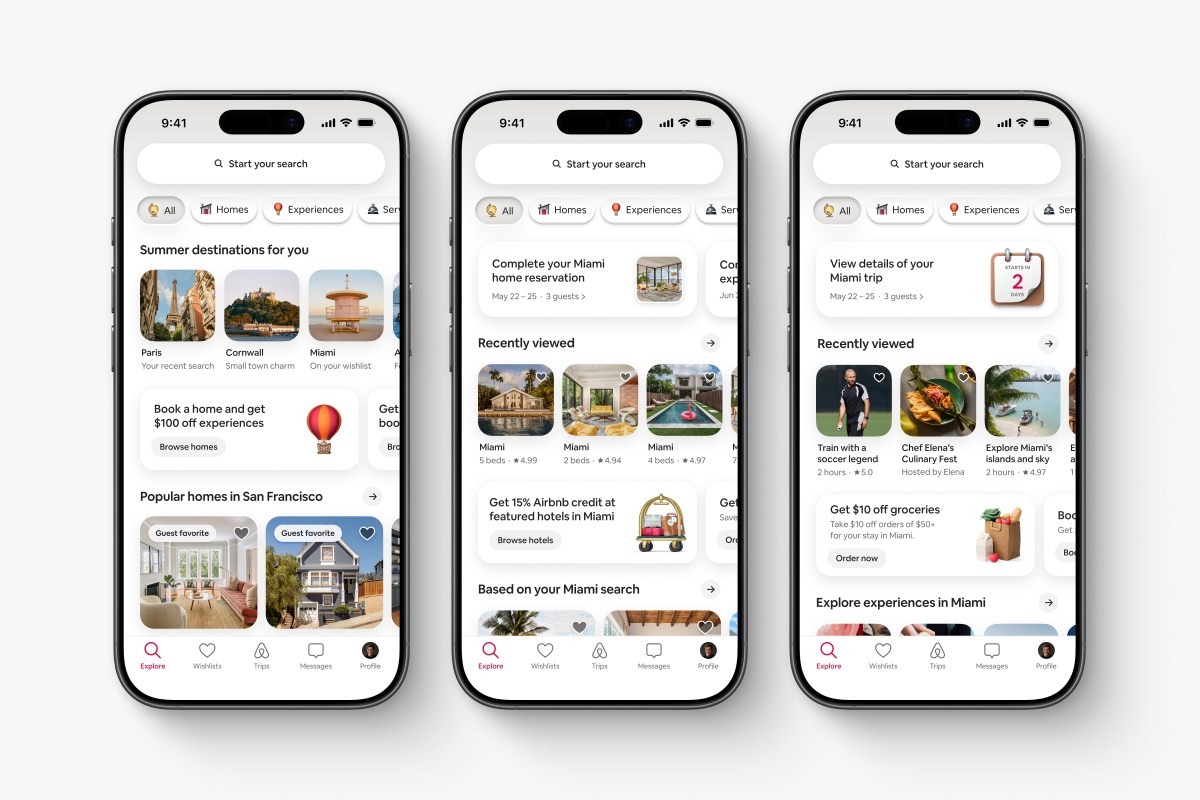
The app itself is shifting shape. The homepage mixes everything up now. Stays. Experiences. Services. It’s noisy but flexible. Tabs remain for the purists. Who still wants them anyway?
No loyalty program by name yet. Just credits. Book a car. Get money back. Book a hotel. Save up to 15%. It feels like a soft launch. A test of whether we’ll stay put if the points pile up.
But where is the artificial intelligence?
Other travel brands built chatbots for trip planning. Airbnb stayed out. Brian Chesky, their CEO, thinks a chatbot is a terrible travel agent. Maybe he’s right. Typing “plan my week in Lisbon” into a text box is lonely.
AI isn’t missing. It’s just hiding.
For hosts. The software fills in the listing details if you drop in the address. Easier creation means more supply. For guests. Reviews are tagged. Look for “family friendly.” Skip the noise about the noisy neighbor next door. Compare properties in your wishlist? An AI summary tells you which one wins.
Customer service is the big bet though. The AI bot launched in the U.S. last year. It handles 40 percent of queries already. Now it speaks eleven languages. Interactive cards pop up to update trips. Solve issues without holding a human. Later this year voice AI joins. You call in. You talk to a machine. It’s happening.
So here we are. Hotels. Car rentals. Grocery delivery. AI doing the heavy lifting while humans do the wandering. It feels less like a rental marketplace. More like a utility.
Does anyone still want the awkward eye contact of handing cash to a host through the window? Maybe. Or maybe we’ve all just accepted that convenience has a cost. One that includes more hotels on an app meant to banish them.